

Understanding Septic Systems When Buying a Home in Santa Cruz County
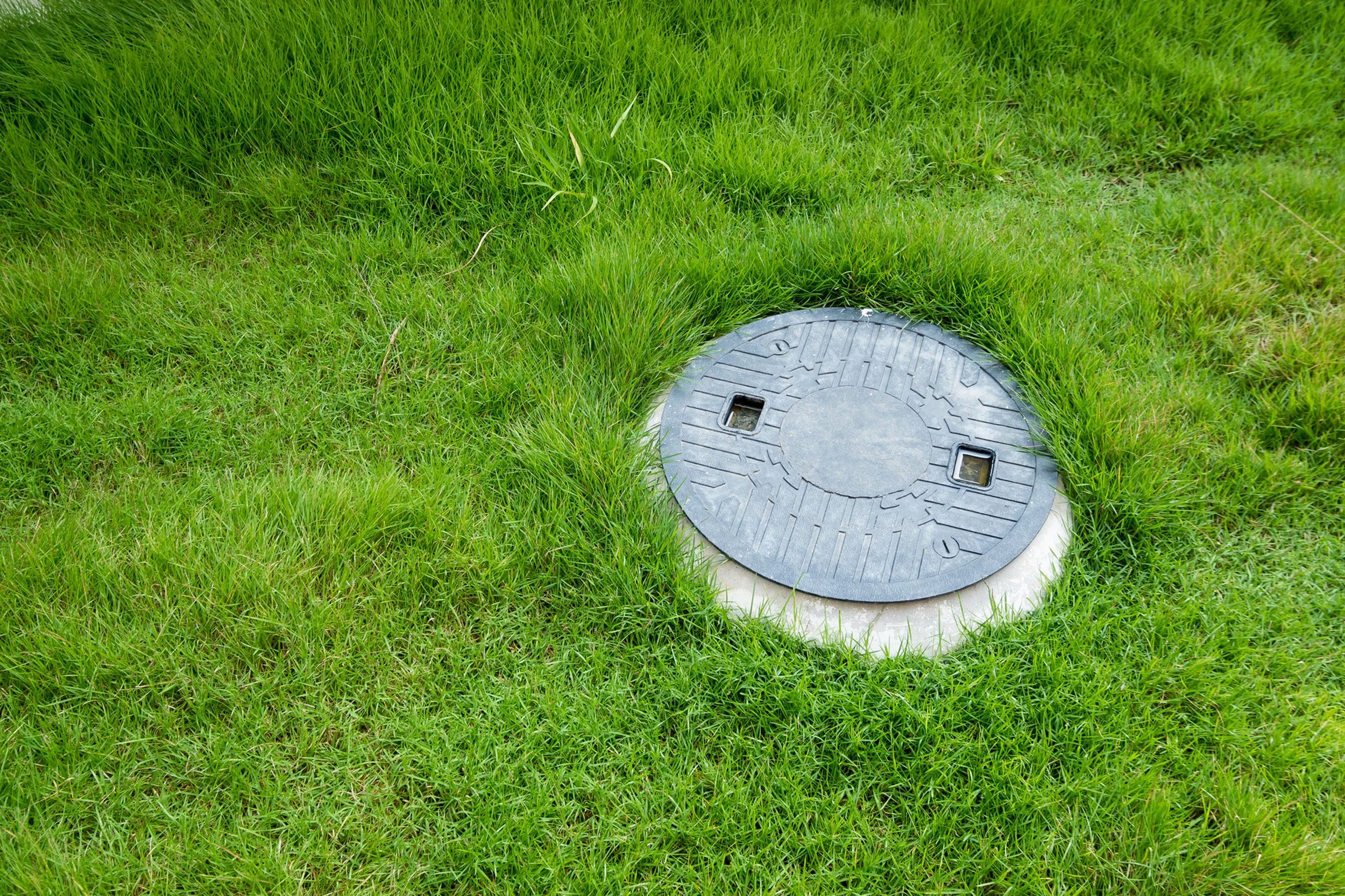
The San Lorenzo Valley has one of the highest concentrations of septic systems of any comparable area in California. If you are buying a home in Felton, Ben Lomond, Boulder Creek, or Lompico, you are almost certainly buying a home with a septic system. That is not a problem, but it is something worth understanding before you close.
Here is a plain-language rundown of what septic systems are, what the county requires, and what buyers should be paying attention to.
How a Septic System Works
A septic system is an onsite wastewater treatment system. Wastewater from your home flows into a buried tank, where solids settle and liquids move out to a leach field, which is a section of soil designed to filter and absorb the water safely. When a system is functioning correctly, this process happens quietly underground and requires only periodic maintenance.
The leach field is the part that tends to cause issues. It has a lifespan, typically 25 to 40 years depending on use and soil conditions. Homes in the mountains that got their septic permits in the 1970s or 1980s may be reaching the end of that window.
What Santa Cruz County Now Requires at Time of Sale
As of July 2023, sellers of homes with septic systems in Santa Cruz County are required to have the system professionally pumped and inspected before closing. The tank must be pumped, and a flow test using at least 250 gallons of water must be completed to confirm the system is functioning.
The inspection report is valid for 12 months. If the system fails, the seller is generally responsible for repairs unless the buyer agrees in writing to take on that responsibility.
This is a real consumer protection. It is also something that can affect timelines. If you are in a rush to close and the seller has not yet scheduled the inspection, you could be waiting on labs and scheduling that takes three to five weeks from start to finish.
What Buyers Should Be Looking For
When reviewing a septic inspection report, the things that matter most are whether the system passed the flow test, when the leach field was installed, whether there are any notes about high water table concerns, and whether the system has been maintained regularly.
Adding bedrooms or bathrooms after purchase can trigger a required septic upgrade. If you are buying a two-bedroom home with plans to expand, it is worth understanding whether the existing system could support that before you close.
What It Costs to Maintain
Routine maintenance is not expensive. Having the tank pumped every three to five years runs a few hundred dollars and goes a long way toward protecting the system. What you want to avoid is letting a problem go unaddressed until it becomes a full leach field replacement, which can run into the tens of thousands.
Mountain homeowners tend to be good about this because they know the stakes. Wells and septics get attention here in a way that city sewer connections simply do not require.
A Note on Future Remodeling
If you are buying with plans to remodel, talk to your agent and possibly a licensed contractor early about how the septic situation may affect those plans. Some lots have soil or slope conditions that limit the options for septic expansion. Knowing this before you buy is much better than discovering it afterward.
This is one of the pieces of mountain real estate that I walk every buyer through carefully. It is not a reason to avoid a property, but it is a reason to understand the property fully before you commit.