The Santa Cruz Mountains Communities That Surprised Me (In a Good Way)
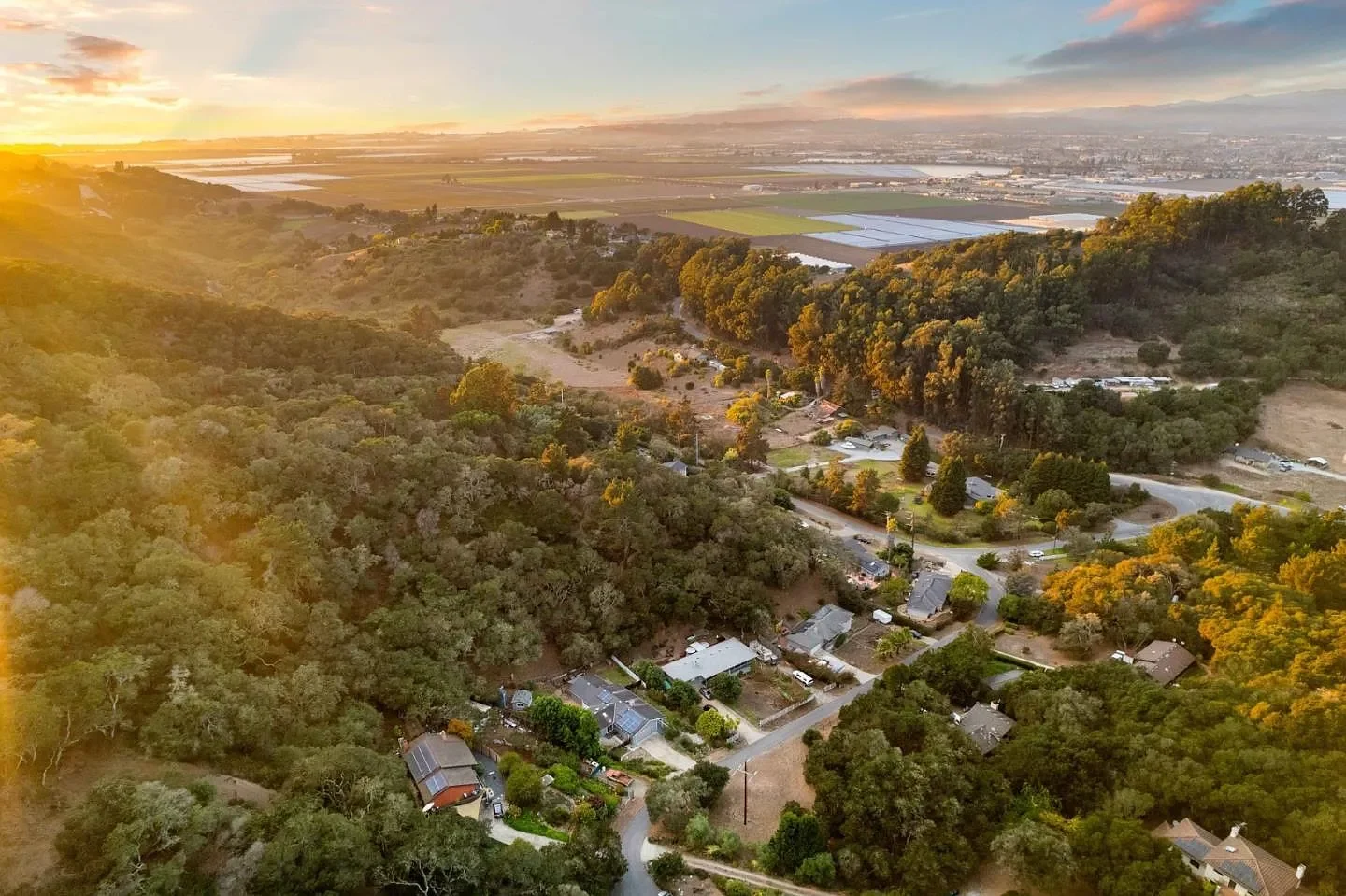
I've been selling real estate in the Santa Cruz Mountains for years, and I'm still finding pockets of these hills that make me stop and think: why doesn't anyone talk about this place?
Some areas have obvious appeal. Everyone's heard of Scotts Valley. It's accessible, the schools are solid, and it shows up on every Silicon Valley commute map. People know what they're getting.
But some of the best places to live in these mountains? They don't make lists. They're not trending on anyone's feed. They're just good, once you know they exist.
Here are a few communities that caught me off guard, and what I actually think about them now.
Ben Lomond
What I assumed: Honestly, I thought of it as a pass-through. A quiet stretch between Felton and Boulder Creek where not much happened.
What changed my mind: I started spending real time there while working with buyers, and something about it just settles on you. There's a small downtown strip that has a genuinely local feel, not curated or trying to be anything. Long-time residents who have been there for decades. Newer buyers who chose it deliberately, not just because it was what they could afford. It has a mix that feels honest.
The real talk: It's quieter than Felton, and if you need things close by, you'll feel the distance. Grocery runs take planning. That's not a complaint, just context.
Price range:
Entry level: ~$600K – $800K
(fixers, smaller homes, tighter lots, less sun)Mid-range (most common): ~$800K – $1.1M
(this is where most of your buyers will land)Higher-end: ~$1.1M – $1.4M+
(updated, good access, usable land, more light)
Boulder Creek
What I assumed: Too far up. Too remote. A place for people who want to disappear.
What changed my mind: The buyers I've worked with there tend to be the most intentional. They've thought hard about what they're trading, and they've decided the trade is worth it. There's something about a community where most people chose it consciously, not just because it was convenient. That shows up in how people treat the place.
The real talk: Fire risk is a real conversation in Boulder Creek, and I don't soft-pedal it. Insurance has gotten harder in these zip codes, and you need to go in with your eyes open. I'll always walk through that with buyers before we get too far down the road. Also, the commute is a genuine commitment.
Price range:
Entry level: ~$450K – $700K
(fixers, smaller homes, steeper access, more “project” properties)Mid-range (most common): ~$700K – $950K
(this is where most of your buyers will land)Higher-end: ~$950K – $1.3M+
(updated homes, better lots, more usable land, better access)
Lompico
What I assumed: I didn't know much about it at all, which is its own kind of answer.
What changed my mind: This is where we bought our first home when we moved to the Santa Cruz Mountains. It's small and tight-knit in a way that's hard to manufacture. People know their neighbors. There's a sense of place that doesn't always survive growth.
The real talk: Lompico has some specific considerations around road access that matter more here than in other areas. This is not a place to buy without understanding this. If you're interested, ask me, because I actually know the details.
Price range:
Entry level: ~$500K – $700K
(fixers, smaller cabins, tighter access, less sun)Mid-range (most common): ~$700K – $900K
(this is where most realistic buyers land)Higher-end: ~$900K – $1.1M+
(updated homes, better lots, more usable outdoor space)
How I Find the Right Community for My Buyers
People ask me how I know which area is going to be the right fit for someone. Honestly, a lot of it comes from paying attention over time, and from asking different questions than most agents do.
I spend time in places I'm not selling. At least once a month, I drive a road I haven't driven, stop somewhere I haven't stopped, and pay attention to what's there. A lot of what I know about these mountains came from not being in a rush.
I talk to people who actually live there. The people who chose a community and stayed are the best source of information I have. When I host open houses in areas I want to understand better, I'm partly there to talk to neighbors. That conversation tells me more than any data set.
I watch my buyers over time. Some communities consistently produce clients who stay and are glad they stayed. Others produce more turnover. That pattern tells me something real about fit.
I look at the edges. When one area gets expensive or competitive, I look at what's adjacent. Sometimes the community next door is doing the same things for a different price. That's often where the quiet opportunity is.
I ask other agents. I work with good people in this industry, and I'm not too proud to ask someone who knows an area better than I do. That's not weakness, that's just how good information travels.
Common Questions I Hear About Mountain Communities
How do I know if an area is actually worth buying in, or just has a good story?
Look for the things that don't photograph well. Are people staying? Are small businesses opening and surviving? Are owners renovating because they plan to be there, not just flipping and leaving? Real investment tends to be quieter than hype, but it holds.
Should I avoid communities that aren't well known?
No. Some of the best places to live in these mountains are the ones that have never been on a trending list. If it meets your needs and it feels right when you're standing in it, the fact that it's not famous is often a feature.
What if I buy somewhere that never becomes popular?
Then you live somewhere good, functional, and affordable. Not every place needs to be in demand to be worth living in. Plenty of communities in these hills have been quietly stable for decades, and that stability is what some buyers actually want. If that's you, we should talk.
How can I learn more about a specific area?
Go there. More than once, at different times of day. Walk around. Get a coffee if there's a place to get one. Also, ask me, because I can tell you things that won't show up in any search.
Want to Explore Communities You Might Not Have Considered?
This is actually one of my favorite parts of working with buyers. Sometimes the right fit is a place they hadn't thought about before we talked.
If you're in the early stages of thinking about the Santa Cruz Mountains, I'd love to have that conversation. Click here to book a quick 10–15 minute goals call— we’ll map out what a smart path forward looks like for you. Zero pressure, always free.
You can also follow along at @heysarahwagner or @santacruzmountainliving, where I share more of what these communities actually look and feel like day to day.