

Fire Hardening Your Santa Cruz Mountains Home: Upgrades and Discounts for 2026
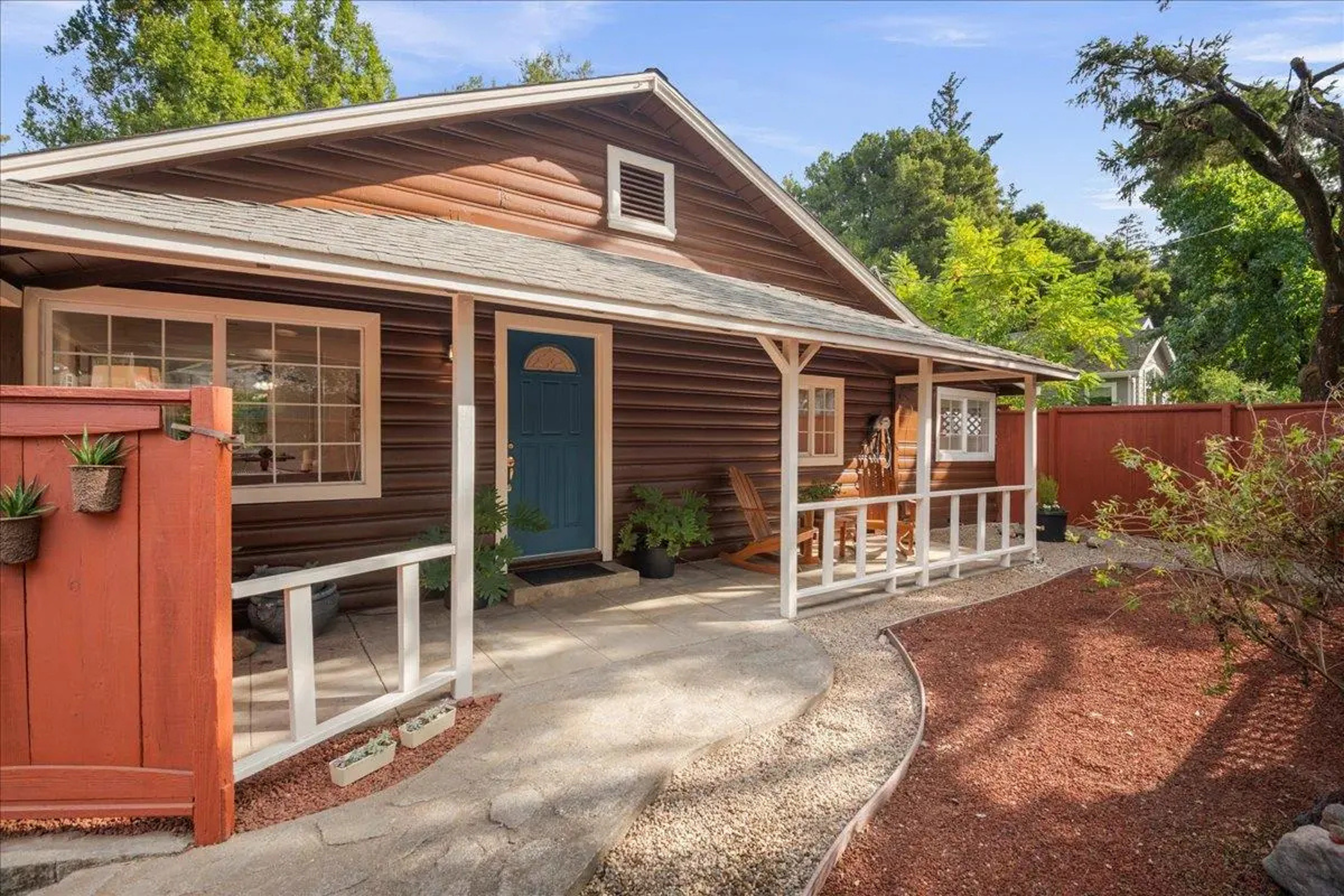
Fire hardening is one of the few areas of mountain homeownership where doing the right thing for safety also saves you money. With the California FAIR Plan now offering wildfire-hardening discounts, the upgrades that protect your home can also reduce your premium. Here is what is worth doing in 2026.
Why hardening matters now
For FAIR Plan policies effective November 15, 2025 or later, homeowners can qualify for up to 12 separate discounts applied to the wildfire portion of their premium. A dwelling-fire policyholder who earns all 12 could see savings of up to roughly 16%. Beyond the discount, new state insurance rules increasingly require carriers to factor in home hardening and fuel reduction when setting rates — so this work counts in more ways than one.
The immediate surroundings: the first five feet
The single most important zone is the area within five feet of your home. Several of the available discounts reward exactly this work:
Clear vegetation and combustible materials from under decks and within five feet of the structure.
Use noncombustible fencing and gates where they connect to the home.
Move firewood, plants, and sheds away from the house — or remove them entirely.
Keep outbuildings at least 30 feet from the main structure where possible.
Hardening the structure itself
The house itself can be made dramatically more resistant to embers, which are the way most homes ignite in a wildfire. High-value structural upgrades include:
A Class A fire-rated or metal roof.
Double-paned or tempered windows that resist heat.
Enclosed eaves and ember-resistant vents.
Noncombustible siding and decking materials.
Defensible space beyond the home
Hardening does not stop at the walls. Maintaining defensible space — thinning brush, limbing up trees, and reducing fuel loads across the property — protects your home and your neighbors, and it is part of what insurers now look at. Joining or starting a neighborhood Firewise group can amplify the effect, because coordinated fuel reduction across a community is more powerful than any single property acting alone.
A simple starting checklist
Walk the first five feet around your home and remove everything combustible.
Clean roofs and gutters of leaves and needles on a regular schedule.
Screen or upgrade vents to ember-resistant models.
Document every upgrade with photos and receipts for your insurer.
Ask your insurance broker which specific discounts your home already qualifies for.
The bottom line
Fire hardening is the rare home project that pays you back in safety, in insurability, and often in premium savings. If you are buying a mountain home, ask what hardening is already done; if you own one, start with the first five feet and work outward. For a referral to local contractors who specialize in this work, or a copy of a full hardening checklist, just reach out.
Note: discount programs and insurance rules change. Confirm current details with a licensed insurance professional and with Cal Fire or county resources before relying on them.