

Commuting from the Santa Cruz Mountains: Highway 17 and Working in the Bay Area
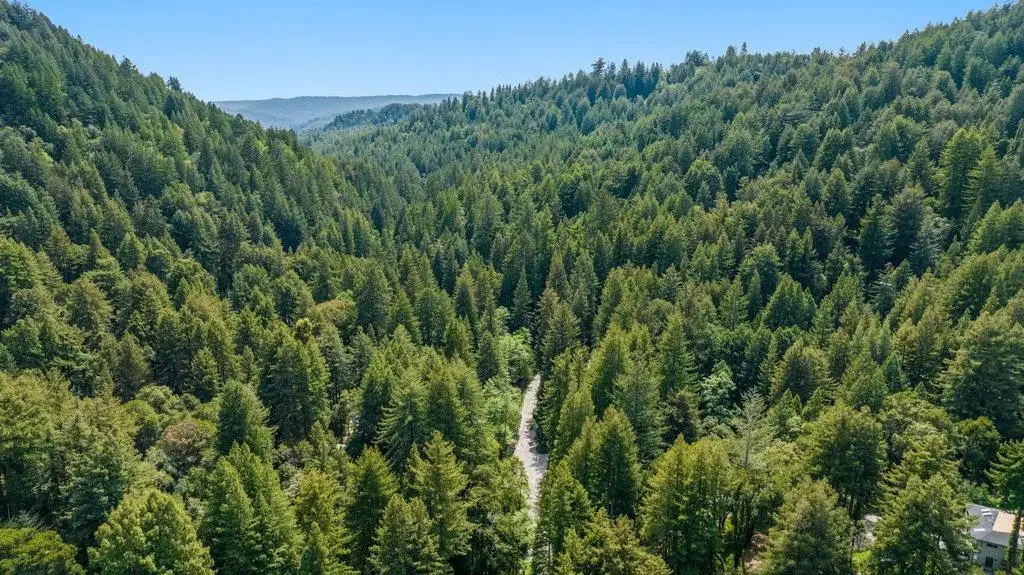
The single biggest practical question for many Santa Cruz Mountains buyers is the commute. Can you really live among the redwoods and still get to a Bay Area job? The honest answer is yes — but it pays to go in with clear eyes.
The Highway 17 reality
Highway 17 is the spine that connects the mountains to the San Jose tech corridor. Expect roughly a 45-to-60-minute drive to reach the heart of San Jose during peak morning hours, along 26 miles of winding mountain terrain. It is a beautiful drive and a demanding one — there is a reason locals respect Highway 17.
Timing is everything
Experienced commuters do not fight the worst of it. The most common strategy is to depart before about 6:30 AM or after about 9:30 AM, sliding around the heaviest congestion near the Summit. Shaving your departure by even 20 minutes can change the drive dramatically. If your employer offers flexible start times, that flexibility is worth real money in a mountain commute.
Location within the mountains matters
Where you buy changes your commute math. Scotts Valley sits closest to Highway 17 and offers the most predictable drive — part of why it carries a price premium. Homes further up the San Lorenzo Valley, in Felton, Ben Lomond, or Boulder Creek, add winding Highway 9 miles before you even reach Highway 17. None of it is unreasonable, but it is worth mapping your specific would-be commute, at the times you would actually drive it, before you commit.
The remote and hybrid work shift
The math has changed for a lot of buyers. With hybrid and remote work now common, a commute that happens two or three days a week — instead of five — makes mountain living far more workable than it was a decade ago. Forecasts have remote workers increasingly shopping for homes in places like Soquel, Felton, and the Santa Cruz Mountains precisely because the occasional drive is a fair trade for the daily quality of life.
Tips for making the commute work
Test-drive your real commute at real commute times before making an offer.
Negotiate flexible hours so you can travel around the Summit congestion.
Keep your vehicle ready for mountain conditions — fog, rain, and the occasional closure.
Have a backup plan for the days Highway 17 has an incident, because it will happen.
If you are hybrid, weigh a slightly longer commute against a much better home and lot.
The bottom line
The Highway 17 commute is real, but it is also routine for thousands of people who would not trade their mountain home for anything. The key is to be honest about your work schedule and to choose a location that matches it. Tell me where you work and how often you need to be there, and I can help you target the mountain neighborhoods where the commute actually fits your life.