

The House We Wrote On Three Times
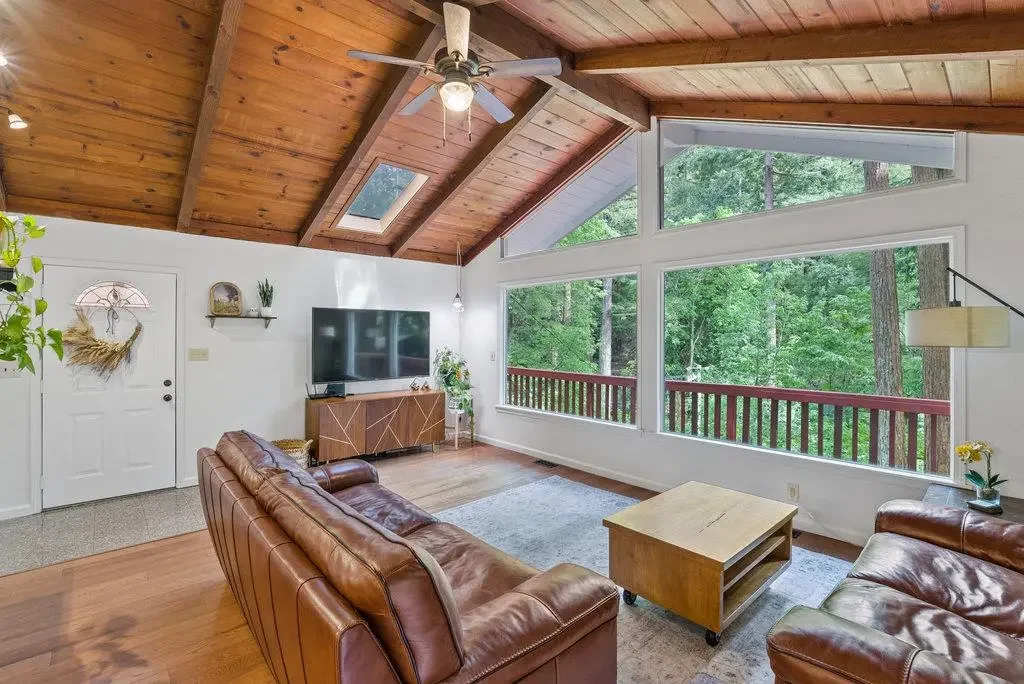
By the time you read this, my buyer Cole will have keys to his first house, a real set on a real keychain, for a real home in Boulder Creek. I met him at 5:30, right after dropping Juniper off from soccer, and handed him a small ring of keys and watched him do the thing every first time buyer does, stand in an empty living room and not quite know what to do with his hands.
He wrote three offers on that same house before one of them stuck. That’s the part I want to tell other agents about, because I think it says something about the kind of business worth building.
I met Cole in January through his sister-in-law, a friend of mine. He’d never bought a home before. Hadn’t opened a credit card until about a week before our first call. Most first-time buyers I work with are further along in the grown-up paperwork than that. He was starting close to zero, with a lot of heart and a family that wanted to help.
We ran his numbers with my lender. The price point was tight. He had some retirement savings and gifts coming from family. The first time he sent me his proof of funds, it was three numbers added together right in the body of an email. Thirty three thousand plus thirty seven thousand plus forty six thousand equals one hundred sixteen thousand, exclamation point, his. He was proud. I was proud of him too.
Before we got anywhere near his actual house, he had to learn how to say no, twice.
The first house was across the street from his brother. We both wanted that one badly. He pictured his brother walking over for a beer on a Sunday. We ran the numbers every way I could justify, even with the most optimistic insurance estimate I had. It didn’t pencil out. He wrote me a short, mature email: “I do think it’s just out of reach even with family help.” That’s one of the hardest sentences I’ve ever gotten from a buyer, because it was true, and because he wrote it before asking me to fix it for him. He was protecting his own future from a stretch. We didn’t write the offer.
The second house, on Woodland in Ben Lomond, we loved too. We wrote a clean offer asking for closing cost credits. The sellers sent back a multiple counter offer that quietly added the cost of those credits right back into the price. I walked him through what it actually meant, in plain language, and he sat with it overnight. In the morning he told me he wasn’t signing it. He walked. I respected that more than I could tell him at the time.
So before he ever found his house, he’d already said no twice, on his own terms, once to a house his heart wanted and once to a deal that looked like a yes on paper and wasn’t. That’s a lot of judgment from a guy who’d had a credit card for ten weeks.
Then we found Boulder Creek. I could tell walking through that this one was different. We wrote the offer before it officially hit the market. They said no. We came back cleaner, tighter. They said no again. I want other agents to sit with what that feels like from inside a buyer’s body. You’ve already walked from a house you loved. You’ve already turned down a deal that wasn’t real. Now you’ve put your name on this same house twice and been told no twice. The pull to decide the house isn’t yours either, to go quiet and regroup and let the lease renew for another year, is real. I’ve watched buyers stop right there.
Cole didn’t. Once the home officially came to market, he came back a third time. We adjusted the terms so they worked for both sides and sent it in. I emailed him that afternoon with three words in the subject line. Your Offer Was Accepted. The body started with “third time’s a charm.” I meant it.
I think about Cole’s file a lot, mostly because of what it took from me as his agent, not just the hours but the patience to let him say no twice without pushing him toward a stretch that would have hurt him later. That kind of patience is a lot easier to hold onto when your own paycheck this month doesn’t depend entirely on this one deal closing fast. I don’t think that’s a coincidence. Building a business with more than one gear, more than one source of income, more than one deal on the board at a time, is part of what lets you sit across from a client and actually mean it when you tell them to walk away from something that isn’t right.
If you’ve got a client right now who needs to hear no twice before they get to their real yes, and you’re worried you can’t afford to let that process take as long as it needs to, I’d love to talk about what building more margin into your business could look like. No pressure, just a real conversation about the kind of patience this work sometimes asks of us.
