

Why Schools and Amenities Matter More Than You Think When Buying in the Santa Cruz Mountains
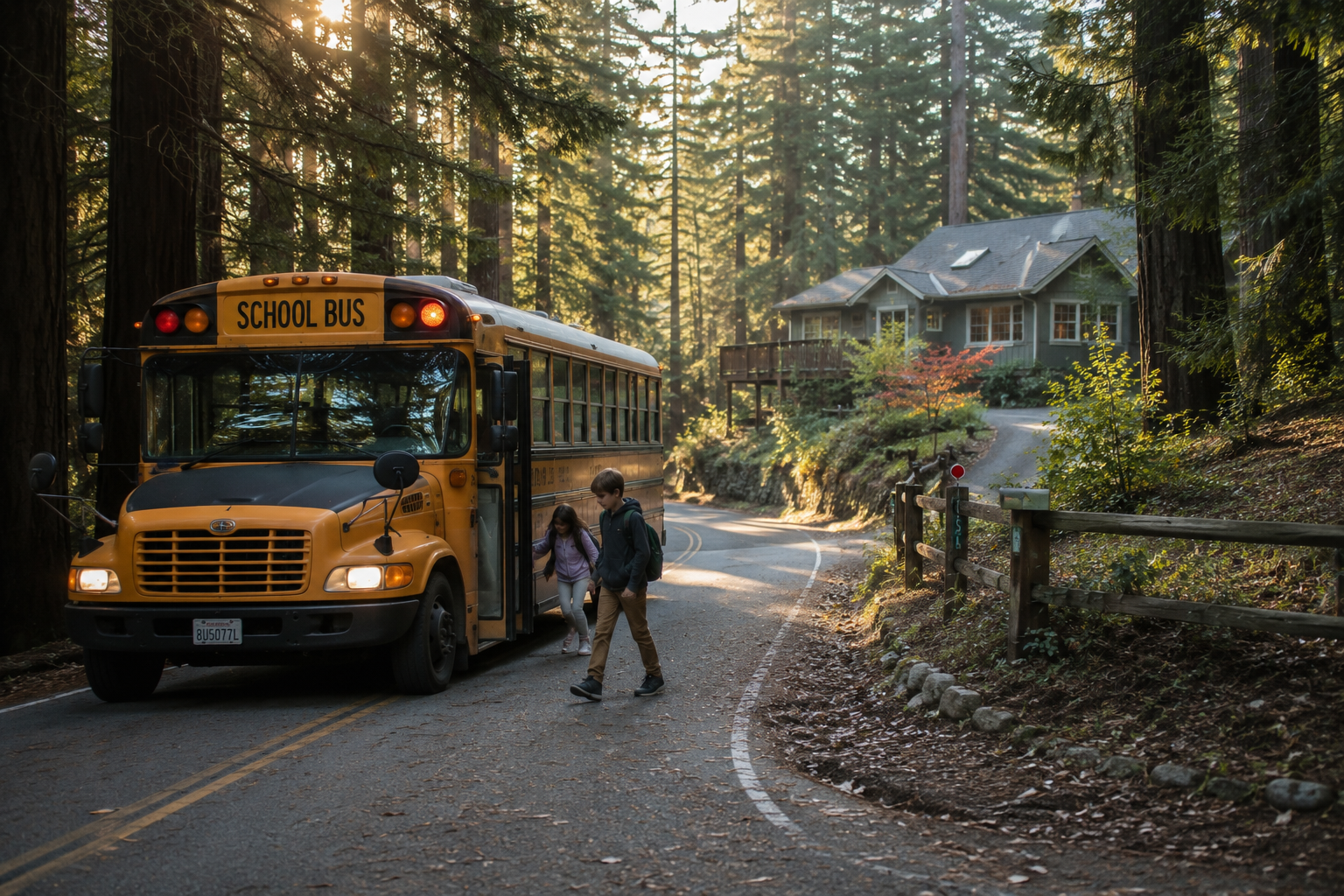
Location, location, location. It's the phrase you hear constantly in real estate. But what does it actually mean?
When buyers talk about a "great location," what they're really describing is lifestyle. The things that make daily life easier, more connected, and more enjoyable. And in the Santa Cruz Mountains, those factors play out in specific ways that are worth understanding before you buy.
Strong Schools Create Stable Home Values
Homes in strong school districts tend to sell faster and closer to asking price, and they hold their value better when the market softens. That's because school quality drives consistent demand.
Even if you don't have school-aged children, it matters. Future buyers will consider it. Which means the schools near your home are part of your investment story whether or not you ever set foot in them.
In the Santa Cruz Mountains, school options vary significantly by town. Families moving to Scotts Valley will find a different public school landscape than those buying in Boulder Creek or Felton. Understanding these differences before you buy is worth the time.
Amenities Shape How You Feel About Where You Live
Walkability, local parks, coffee shops, grocery access, trails: these aren't just nice perks. They're what give a neighborhood its rhythm and what make buyers feel connected to where they live.
When a community grows, when new trails open, when restaurants arrive, when infrastructure improves, property values in the surrounding area often follow. Buying into a neighborhood with momentum is one of the quieter ways to protect and grow your investment.
Think Like a Buyer and an Investor
Even if you plan to stay forever, your home is still an investment. Before you commit to a neighborhood, look at what's happening around it. Are new businesses opening? Are homes being updated? Are there infrastructure projects planned? Are there signs of long-term stagnation?
The best buyers think about today and tomorrow at the same time.
How to Evaluate a Neighborhood Before You Buy
Visit at different times of day, not just at an open house on a Sunday afternoon. Check school ratings on GreatSchools.org. Drive the commute during rush hour. Walk the streets and notice how they feel. Talk to neighbors if you can.
No listing photo will tell you what a neighborhood actually feels like to live in. You have to go find out.
The Bottom Line
Your home is a stake in the future of its community. Choosing a neighborhood with strong schools and accessible amenities isn't just about quality of life today. It's about protecting what you're building for the long term.
If you want a local guide to which Santa Cruz Mountains communities offer that combination, I'd love to help you find it.