

What's Actually Happening in the Santa Cruz Mountains Real Estate Market Right Now
A Market That's Found Its Footing
If you've been watching the Santa Cruz Mountains market for the past year or two, you've probably noticed it stopped doing the dramatic things it used to do. No frenzied bidding wars on every listing. No 20% price swings in either direction. What we have instead—heading into the second half of 2026—is a market that has more or less decided where it wants to be. That's actually useful information, whether you're thinking about buying, selling, or just trying to figure out whether it's time.
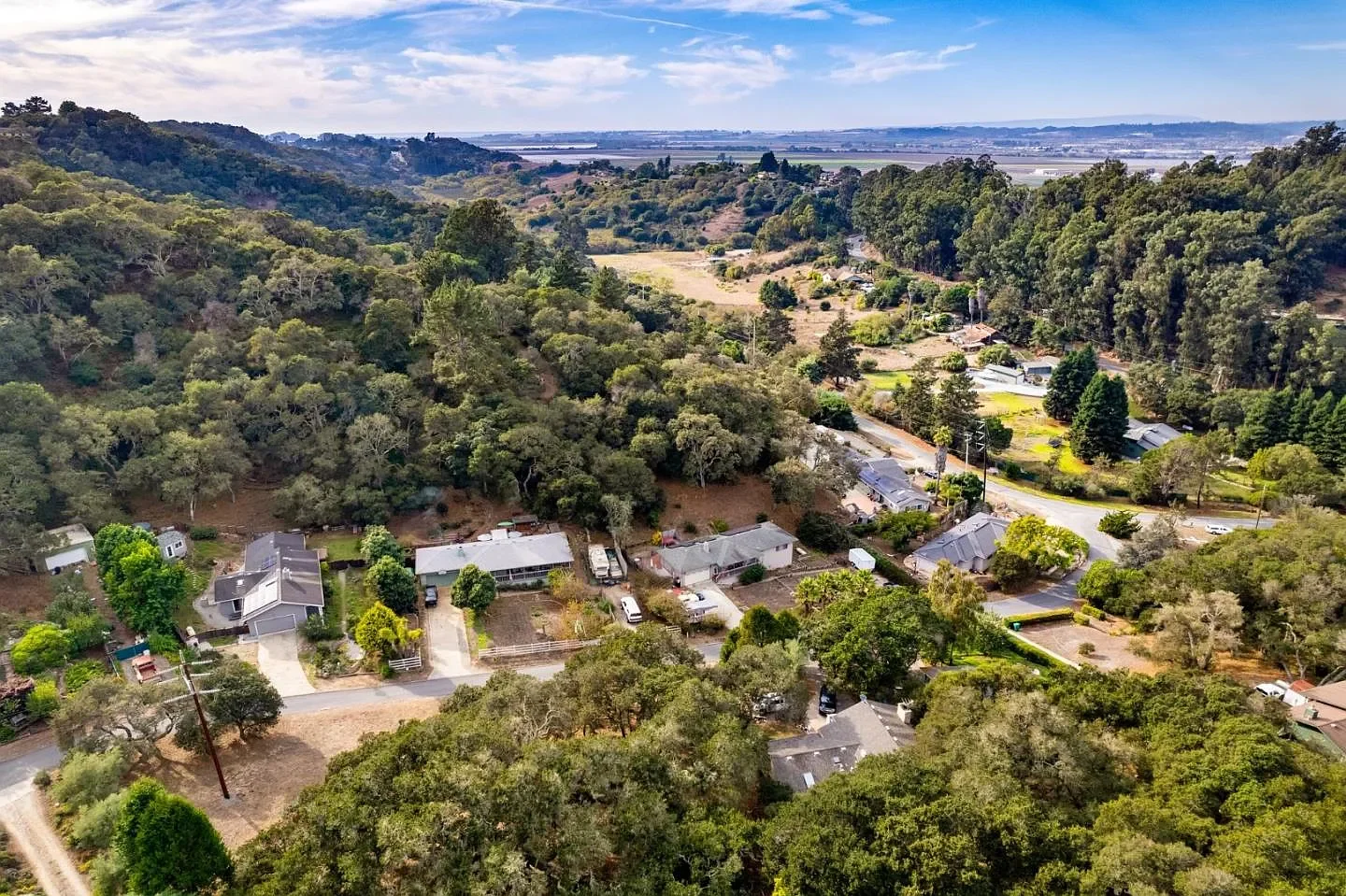
Across Santa Cruz County, median home prices have stabilized in the range of $1.1M to $1.5M depending on which data source you look at and which part of the county you're tracking. The Santa Cruz County Association of Realtors publishes monthly market statistics if you want to dig into the current numbers yourself. For the mountain communities I work in—Felton, Ben Lomond, Boulder Creek, Scotts Valley, Brookdale—prices generally run lower than the county median, especially as you head up Highway 9 toward Boulder Creek. That geography still holds: the closer you are to Santa Cruz, the more you'll pay. And priced-right homes are still moving. The ones sitting are usually sitting for a reason.
Inventory Is Up, Which Is Good News for Buyers
One of the real shifts in 2026 is that buyers finally have options. Active listings across Santa Cruz County have regularly been running in the 450–500 range, which is a significant improvement from the near-empty shelves of a few years ago. More inventory doesn't mean soft prices—it means buyers can actually take a breath and make thoughtful decisions instead of waiving every contingency in a panic.
Up here in the mountains, that plays out in specific ways. You might see three or four comparable properties on the same stretch of Highway 9 at the same time, which gives you real comparison data. It also means sellers who haven't priced realistically—or who haven't done the prep work to justify their ask—are getting passed over. Buyers can smell an overpriced listing, and they're being patient. That patience is actually a healthy thing for the market.
Mortgage Rates: Buyers Have Made Their Peace
Rates have not come back down to the historic lows that defined the pandemic era, and most buyers have adjusted their thinking accordingly. What I'm seeing is that the urgency isn't there unless buyers feel like they're getting a real deal. The families I work with aren't necessarily waiting for rates to drop—they're looking for the right property at a price that makes sense, and they're running the numbers carefully before they commit. That's smart buying, and it tends to lead to fewer regrets.
What This Means If You're Selling
The most common conversation I have with sellers right now is about pricing expectations. Sellers still want top dollar, which is understandable—but the market is not going to cover for a property that hasn't been prepared. Priced right and in good condition, mountain homes are still selling. Overpriced or neglected, they sit. And sitting for too long has its own cost, because buyers start to wonder what's wrong.
The prep work matters more than it used to. Clean, decluttered, well-documented (especially around systems like well, septic, HVAC, and roof) tends to move faster and cleaner than a property that leaves buyers guessing. If you're thinking about selling in the next year, the time to start those conversations is now—not two weeks before you want to list.
What This Means If You're Buying
More options, more time to think, and a seller pool that's more willing to negotiate than it was two years ago. That's the buyer's environment right now. The key is knowing what you're actually looking for in a mountain home—sunlight, fire insurance cost, commute time to the beach or to work—and being clear about your priorities before you start touring. The homes that check every box for a particular family don't stay on the market long. The homes that require compromise are where you have time and leverage.
If you're curious about what specific properties are doing in Felton, Ben Lomond, Boulder Creek, or Scotts Valley—or what a home like the one you're eyeing has actually sold for recently—reach out. I'm happy to pull the data and walk you through what it means.
Note: Market data reflects publicly available county and MLS reporting as of mid-2026. Verify current figures with a licensed real estate professional before making buying or selling decisions.