

What $800,000 Gets a Growing Family in the Santa Cruz Mountains Right Now
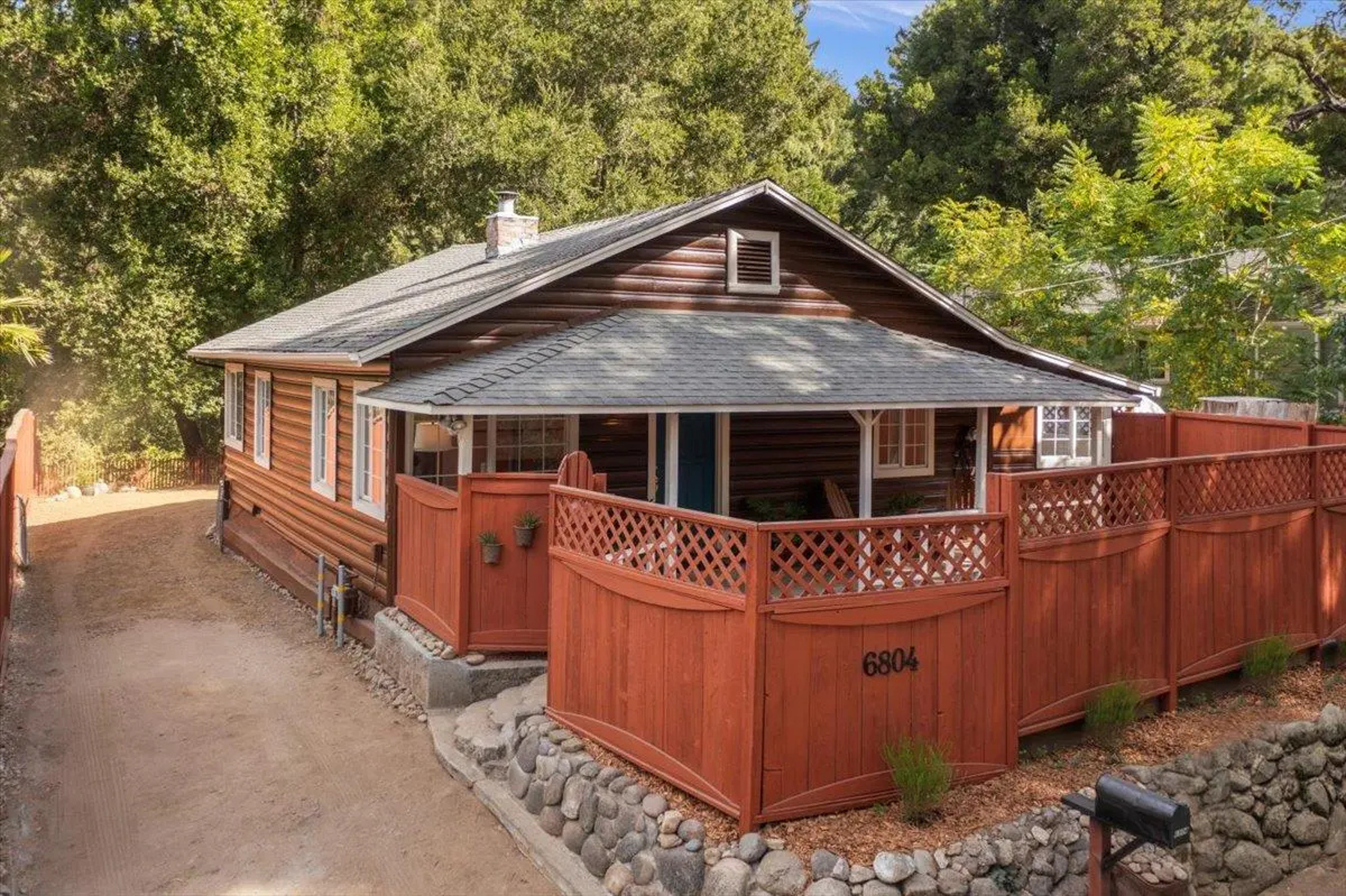
One of the most common questions I get from families starting their search is some version of “what can we actually get for our budget?” And honestly, it’s the right question to ask. The answer depends a lot on where you’re looking, because in the Santa Cruz Mountains, your dollar moves very differently depending on the neighborhood and how far up Highway 9 you’re willing to drive. Here’s an honest look at what $800k gets you in three different areas right now.
A Few Things to Know Before We Get Into It
These price points are based on current market data (June 2026) and will shift over time. Square footage, lot size, and finishes vary widely even within the same neighborhood. What you get is about more than the house. It’s about the lifestyle around it: the sun exposure, the water situation, the insurance costs, and how far you’re willing to commute. All data is pulled from MLS. Ask me for the most current numbers if you’re looking to make a move.
Area 1: Felton and Scotts Valley (Closer to Santa Cruz, More Established)
The vibe here is family-friendly. You’re close to Henry Cowell and town infrastructure, which makes this a popular landing spot for buyers who want access to Santa Cruz without giving up space. Good access to water systems, established neighborhoods, and a walkable downtown feel in Felton.
What $800k typically looks like here:
3 to 4 bedrooms, 1,500 to 2,000 square feet, smaller than what you’d get further up the mountain. Lots usually run a quarter acre to three-quarters of an acre, with manicured yards. Homes are a mix of older farmhouses and newer construction, often with updated kitchens and bathrooms, garages, and decks. You’re walking distance or a very short drive from Henry Cowell and downtown Felton shops.
Good to know: You’re paying for proximity to Santa Cruz and established infrastructure, and homes here tend to move faster. Fire risk is lower than further up the mountain, but insurance is still a real conversation. You’ll also deal with more traffic noise if you’re near Highway 9. These homes tend to have city water or solid water shares, which is less of a maintenance headache than a private well.
Area 2: Ben Lomond and Boulder Creek (Mid-Mountain, More Character)
This stretch is quieter, with more of a local feel. It’s a mix of long-time residents and newer buyers, more character in the homes, bigger lots, and real nature access, though less infrastructure than Felton. This is where you start feeling like you’re actually in the mountains.
What $800k typically looks like here:
3 to 4 bedrooms, 1,600 to 2,400 square feet. You get more house for your money here. Lots usually run 1 to 3 acres, room to breathe, actual yards. These are older mountain homes, some renovated, some still holding onto their original charm and quirks. Expect fireplaces, decks, gardens, and a mix of septic systems and private wells. You’re close to hiking, Roaring Camp, and redwood trails.
Good to know: You’re getting more land and more privacy, but you’re also further from conveniences. The commute to Santa Cruz is real, 20 to 30 minutes minimum. Many homes here run on private wells or water shares, which means you’re responsible for maintenance and treatment. Septic is standard, and fire insurance costs more. But the lifestyle shift is significant. You actually feel like you’re in the mountains here.
Area 3: Lompico and Upper Boulder Creek (Deep Mountains, Most Remote)
Small, community-focused, tight-knit. This area attracts buyers who really want the off-grid, deep-woods feel. Dramatic landscape, serious privacy, and real tradeoffs on access and infrastructure.
What $800k typically looks like here:
2 to 4 bedrooms, 1,200 to 1,800 square feet, smaller homes, but on much bigger land. Lots run 2 to 5+ acres, serious acreage, real forest property. Homes are older cabins with rustic charm, some needing real work. Expect wood stoves, septic systems, private wells, and generators. Cell service is minimal.
Good to know: This is where the real tradeoffs show up. You’re on a one-way-in, one-way-out canyon road, so if it closes for fire or winter weather, you’re committed. Private well and septic maintenance is on you. Cell service is spotty, though Verizon tends to work better up here than other carriers. Fire insurance is expensive. But if you want genuine solitude and land, this is where you find it. Commute to anywhere is 45 minutes minimum. The lifestyle is completely different here. You’re not just buying a house, you’re buying into a specific way of living.
How to Think About These Tradeoffs
Every area has something different to offer, and no single one is the right answer for every family. It comes down to what matters most to you. More space inside versus more space outside. Closer to Santa Cruz versus deeper in the mountains. Established infrastructure versus self-sufficient living. A shorter commute versus more land for your dollar. Built-in community versus real privacy.
There’s no wrong answer here. It’s about finding the fit that works for your family’s actual day-to-day life. And honestly, it’s about being honest with yourself about how much mountain living you actually want, because there’s a big difference between a charming mountain home twenty minutes from town and a self-sufficient property on a canyon road with a generator.
What This Looks Like in Real Life
The same budget can feel very different depending on where you land. I’ve had families fall in love with a smaller home in walkable Felton, and others who wanted every acre they could get and didn’t mind the canyon drive. The best thing you can do is see them side by side. That’s exactly what I help families do, not by showing you the most homes, but by showing you homes in each area so you can feel the actual difference.
If you want to talk about your budget and what matters most to your family, let’s do that.