

The Most Walkable Neighborhoods in Santa Cruz Mountains for Spring Living
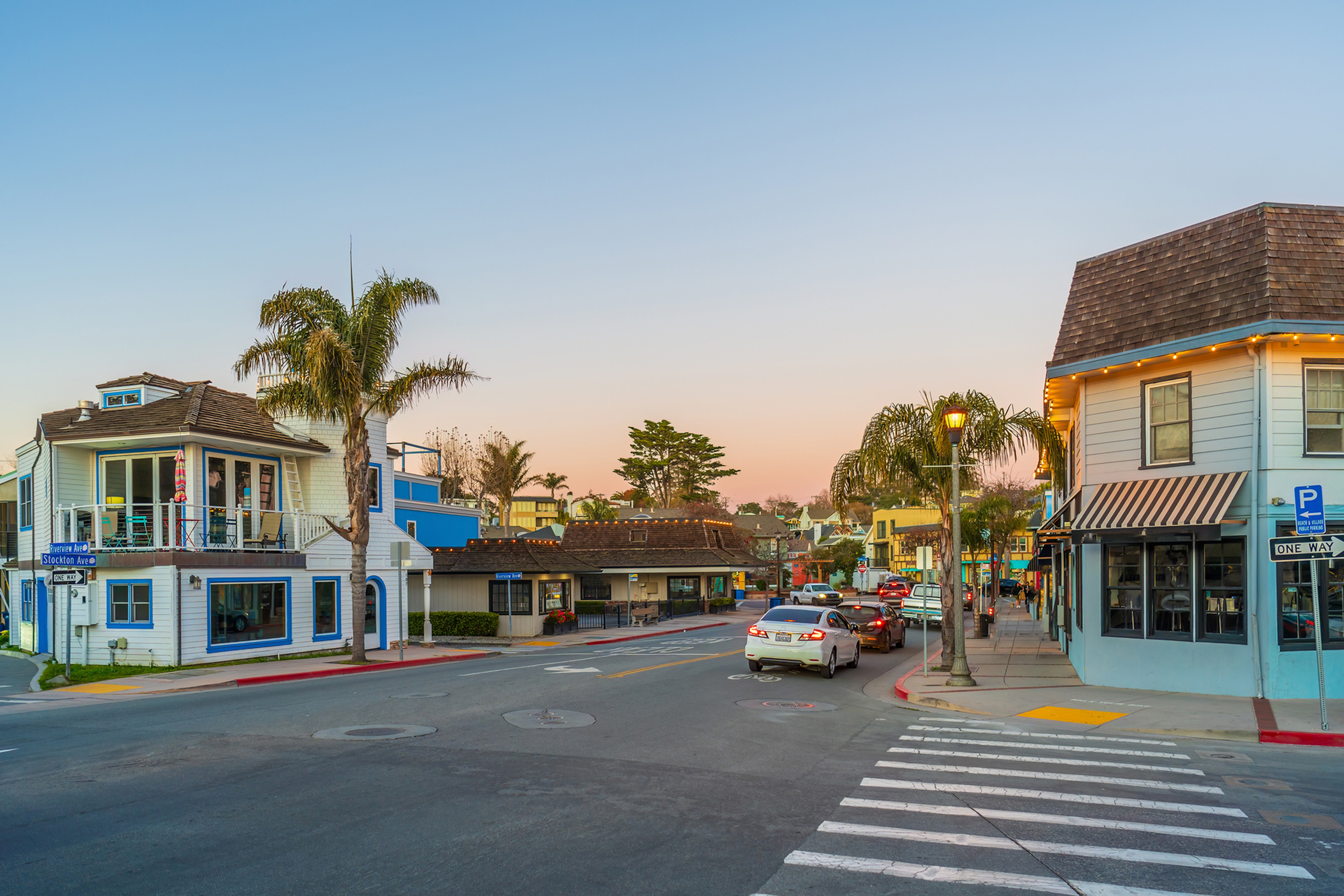
Charming streets of Capitola, a picturesque town in Santa Cruz County, California, known for its colorful buildings, seaside vibe, and walkable downtown.
There's a special kind of freedom that comes with living somewhere truly walkable.
You wake up on a Saturday morning, grab your keys out of habit, then realize: you don't actually need them. Coffee shop? Five-minute walk. Brunch spot? Ten-minute stroll. Grocery run? You can carry a bag home without even starting the car.
It's a completely different way of experiencing life in the mountains.
But here's the thing about walkability in the Santa Cruz Mountains: it's not the same everywhere. Some towns and neighborhoods are designed for walking. Others require a car for literally everything, even if they technically have sidewalks.
Spring is when walkability matters most. Longer days, warmer weather, the urge to be outside instead of just driving through it. If you’re thinking about moving or just rethinking where you live, here’s your guide to the most walkable neighborhoods in the Santa Cruz Mountains.
Not "walkable" according to some app. Walkable according to someone who’s actually done the walking.
What Actually Makes a Neighborhood Walkable?
Before diving into neighborhoods, let’s define terms. "Walkable" gets thrown around a lot, and it doesn't always mean what you think.
True Walkability Means:
→ You can walk to multiple daily essentials (coffee, groceries, pharmacy) in under 15 minutes
→ Sidewalks exist and are actually usable (not broken, blocked, or ending abruptly)
→ Streets feel safe to walk on (traffic is slow, crosswalks exist, drivers expect pedestrians)
→ There are destinations worth walking to (not just one coffee shop surrounded by parking lots)
→ You can accomplish full errands on foot, not just leisure walks
Fake Walkability Means:
❌ "There's a café within a mile" (but you have to cross a busy highway or unlit road)
❌ "Sidewalks exist" (but they end randomly or dump you onto a drainage ditch)
❌ "Walk Score says 80!" (but you’d never actually walk anywhere because it feels inconvenient)
❌ "It's walkable to one thing" (great, but that’s proximity, not walkability)
When I say these neighborhoods are walkable, I mean: you could genuinely live here without a car or at least barely use it and not feel like you’re missing out.
The Most Walkable Neighborhoods in the Santa Cruz Mountains
Walkability level: You’ll forget where you parked
What you can walk to:
Coffee: The Tree House Cafe and local cafés
Dining: Pizza spots, casual bistros, and a couple of cozy wine bars
Grocery: Wild Roots, less than 10-minute walk
Parks: Boulder Creek Park, with playground and picnic areas
Other essentials: Post office, library, and a few boutique shops
Tradeoffs:
Smaller lots and older homes
Limited parking on busy days
Some foot traffic and occasional event noise
Typical price range: $700k – $1.2M
Walkability level: You could go car-free but probably won’t
What you can walk to:
Felton Main Street shops, cafés, and casual restaurants
Coffee: The White Raven and The Grove
Groceries: Wild Roots
Parks and trails: Henry Cowell Redwoods State Park nearby
Other: Yoga studios, gift shops, and community events
Tradeoffs:
Still need a car for bigger errands
Prices reflect demand for charming small-town walkability
Walkability varies by block
Typical price range: $800k – $1.5M
Walkability level: Urban feel without the density
What you can walk to:
Coffee: Cruise Coffee Company
Dining: Sushi, casual American, pizza, and family-friendly spots like The Point Scotts Valley (known for their breakfast burritos)
Groceries: Safeway, small specialty markets nearby
Parks: Sky Park and local playgrounds
Other: Movie theater, bowling alley, boutiques
Tradeoffs:
Smaller yards or condo-style living
Busier streets and occasional traffic noise
Parking is often tight
Typical price range: $900k – $1.6M
Looking for a Walkable Neighborhood in the Santa Cruz Mountains?
I know which neighborhoods are actually walkable, which streets have the best access, and where you’ll get the most value.
Follow @santacruzmountainliving for more local insights, hidden gems, and seasonal guides.