

Moving to the Santa Cruz Mountains: A Complete Relocation Guide
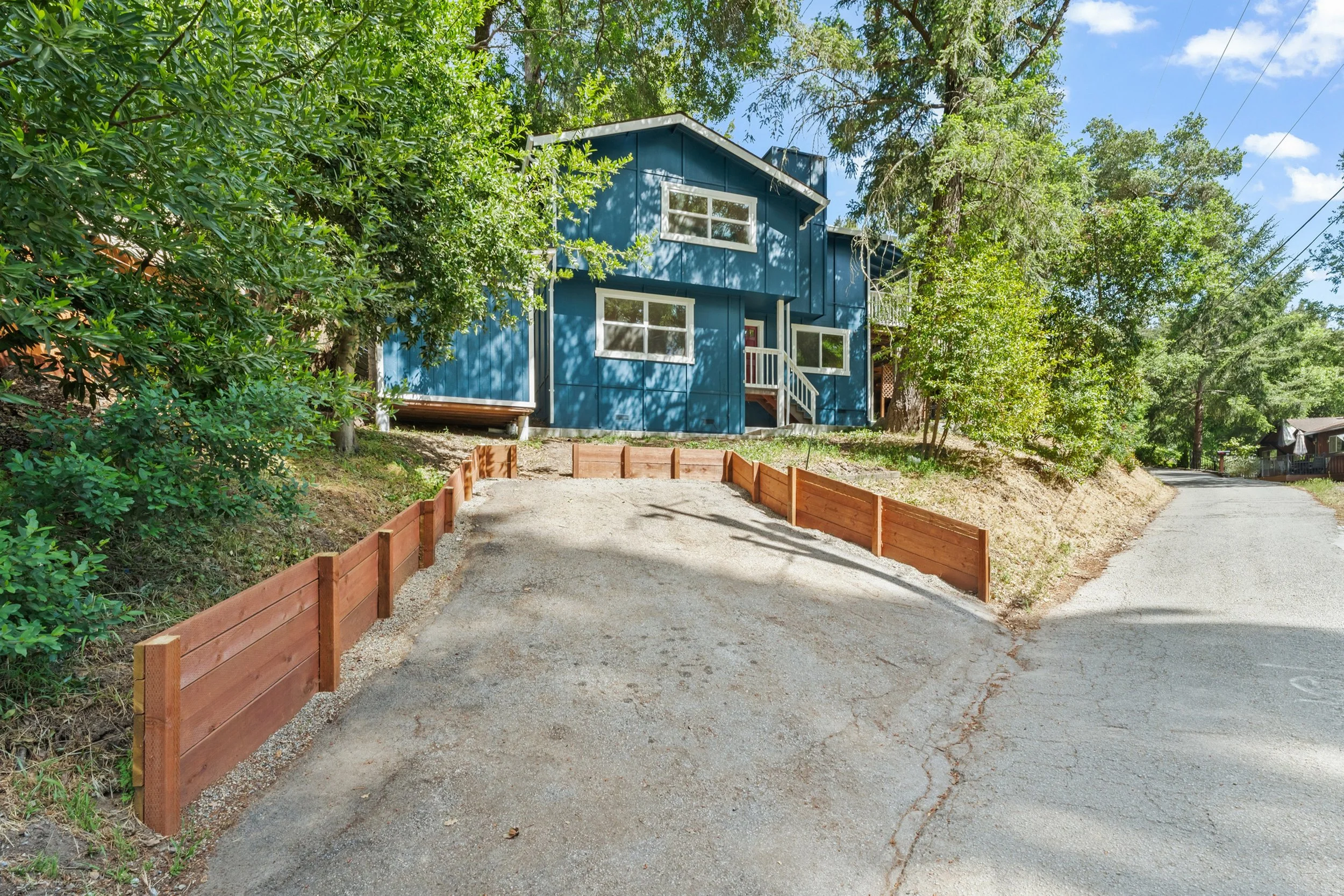
Moving to the Santa Cruz Mountains is a lifestyle decision as much as a real estate one. Redwood canopy, winding roads, small communities, and a genuinely slower pace — it is a wonderful life, and it works best when you arrive prepared. Here is a complete overview to get you oriented.
Step 1: Choose your town
The mountains are a collection of distinct communities. Scotts Valley is the most suburban and closest to Highway 17. Felton is the practical, creative hub of the San Lorenzo Valley. Ben Lomond is the quiet middle. Boulder Creek is deep-forest and tight-knit. Bonny Doon is rural, private, and often above the fog. Start by matching a town to your priorities around commute, services, and privacy.
Step 2: Understand the commute
If you work in the Bay Area, map your real commute. Highway 17 runs roughly 45 to 60 minutes to San Jose at peak times across 26 winding miles, and seasoned commuters travel before about 6:30 AM or after 9:30 AM to dodge the worst congestion. Hybrid and remote schedules make mountain living far more practical than it used to be.
Step 3: Budget for insurance
Wildfire insurance is the defining cost question of mountain real estate in 2026. Many homes are on the California FAIR Plan, and premiums vary dramatically by location. Get insurance quotes early in any purchase — before you are emotionally committed — and factor the real number into your monthly budget.
Step 4: Learn wells and septic
Most mountain homes run on a private well and a septic system. Plan to test well production and water quality, and know that Santa Cruz County requires a septic inspection and pumping report for any sale involving an onsite system. Neither system is a dealbreaker — they just need attention and a small maintenance reserve.
Step 5: Sort out schools
If you have children, treat school assignment as an address-by-address question. San Lorenzo Valley Unified and Scotts Valley Unified are the primary districts, and county schools generally perform well — but boundaries can surprise you, so confirm the assignment for every home you seriously consider.
Step 6: Prepare for mountain living day to day
Expect winding roads, occasional fog, and the need for a reliable vehicle.
Plan for power outages — many residents keep a generator or backup plan.
Build relationships locally; mountain communities are close and supportive.
Embrace the trade-off: a little more self-reliance for a lot more nature and space.
The value picture
Here is the upside that keeps drawing people in: the mountains offer more home and more land per dollar than almost anywhere else in the county, with the San Lorenzo Valley in particular delivering strong value. For buyers willing to do the homework on insurance and systems, that value is very real.
The bottom line
Moving to the Santa Cruz Mountains rewards preparation. Choose your town, test your commute, quote your insurance, understand your well and septic, confirm your schools — do those things, and you arrive confident instead of surprised. If you are planning a move this year, reach out and we will build a step-by-step plan around your timeline and your must-haves.