

Living in Lompico: A Local’s Guide to Santa Cruz Mountains Living
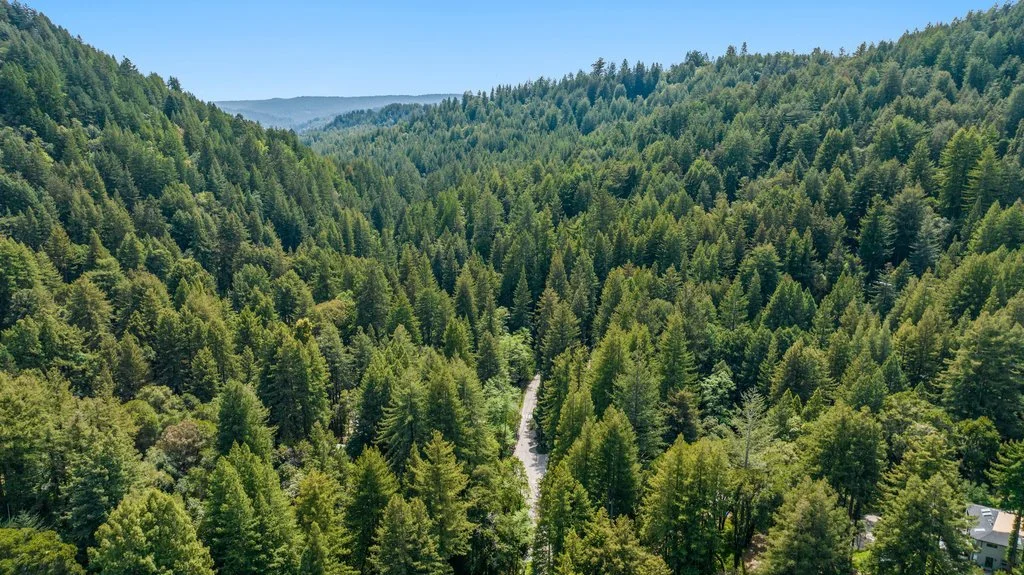
Lompico isn’t a master-planned suburb. It’s a tucked-away Santa Cruz Mountains canyon, redwoods, steep hillsides, winding roads, and neighbors who actually notice when a new car shows up on the street. I also own a home in Lompico, so this isn’t theory for me. I’ve driven these roads in winter storms, checked the water bill, met the neighbors, and watched how this little canyon actually lives through the seasons.
You’re just up the hill from Felton and Loch Lomond. Close enough for school, work, and groceries… but far enough that nights are dark and quiet, and you see more stars than streetlights. For a lot of families, Lompico is the sweet spot between “fully off-grid” and “too busy.”
Where Is Lompico?
Lompico sits in the hills east of Felton, off East Zayante Road and Lompico Road.
Approximate drive times:
10–15 minutes to downtown Felton
20–25 minutes to Scotts Valley / Highway 17
30–35 minutes to Santa Cruz and the beach
It’s a small, woodsy community wrapped in redwoods.
Expect narrow roads, wildlife, and a slower, more grounded pace of life.
As both a homeowner and an agent here, I always hold two questions in mind:
What does it feel like to live here day-to-day?
How does this specific property function (water, septic, access, insurance)?
Homes in Lompico: Styles and Price Ranges
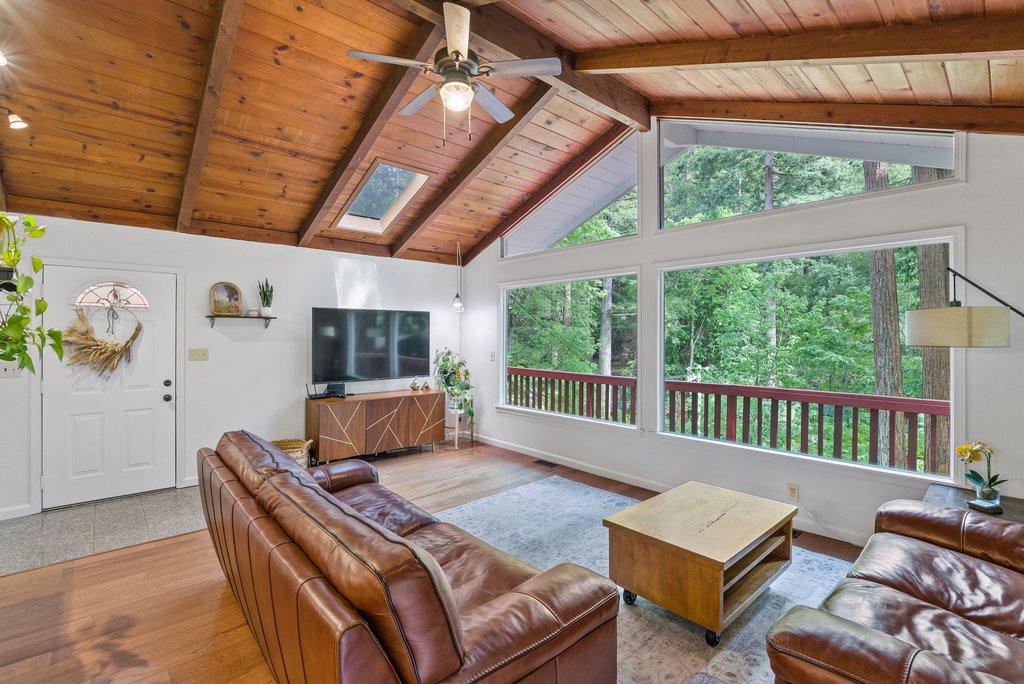
Home Styles
In Lompico you’ll mostly see:
Older cabins and weekend homes from the 1930s–1960s
Simple wood-sided mountain houses with decks and hot tubs
A few larger or more updated homes with better sun and parking
Nothing is cookie-cutter.
Every home has its own quirks, charm, and trade-offs.
Price Ranges (Very General)
These are broad ranges to give you a feel for the area (not a formal CMA):
Starter cabins / smaller homes
Often mid–$400Ks to low–$600Ks
Cozier homes, sometimes older or with more projectsMid-range mountain homes
Around $600K–$850K
More usable land, better sun, or more updatesLarger / more updated homes or view properties
Roughly $850K+
In Lompico, value is heavily influenced by:
Sun vs shade
Usable land vs very steep lots
Driveway length and parking
Age and condition of systems and structure
Water source and septic setup
As a homeowner here, I look at properties the same way I look at my own primary residence:
Is it livable, sustainable, and maintainable over time?
Water, Septic, and Utilities in Lompico
This is where mountain living is very different from “in town,” and where many buyers feel unsure at first.
Water
In Lompico, most homes are on:
Public water (San Lorenzo Valley Water District)
Some properties still have:
Private wells or shared systems
When we look at homes, we’ll talk about:
Exact water source
Any past or current assessments
What to expect from bills and long-term maintenance
Septic
Almost all homes in Lompico are on septic, not sewer.
Key things we’ll look at:
Age and type of system
Location of tank and leach field
Access for pumping, repair, or replacement
Recent inspection reports and permits, if available
Propane and Power
You’ll typically see:
Propane for heat, cooking, and sometimes hot water
Standard electric service
Some homes with backup generators or battery systems
Owning here myself, I’ve dealt with the same questions:
Who do I call for septic or propane?
How often should things be serviced?
What’s “normal” vs a red flag?
I bring that lived experience into how I guide you through each property.
Sun Exposure: A Big Deal in the Redwoods
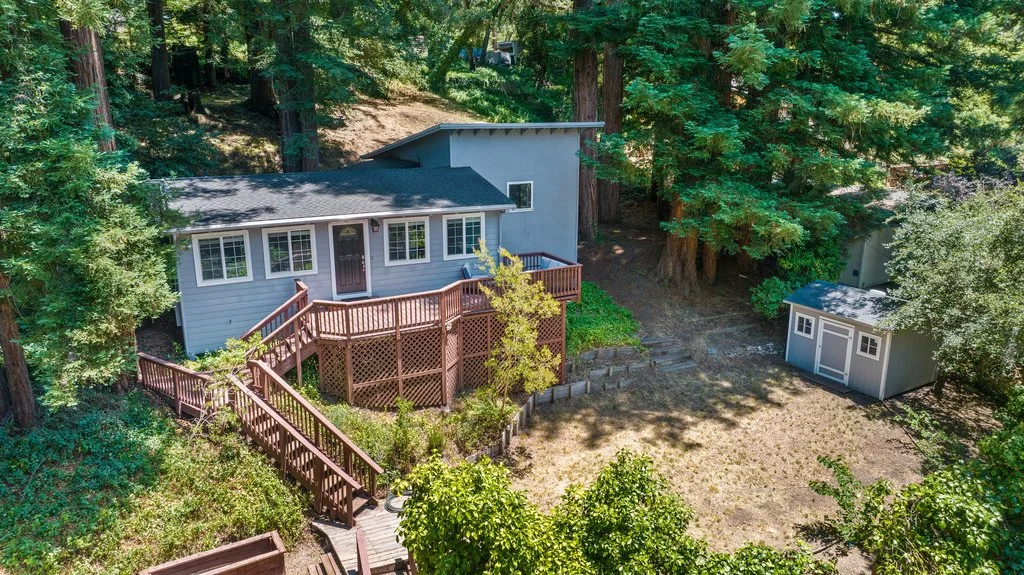
In the mountains, sun is more than a nice-to-have. It affects mood, plants, drying time after storms, and even value.
In Lompico:
Homes lower in the canyon and close to the creek feel cooler and shadier
Homes higher up (Lake Blvd, Lakeside, ridgelines) usually get more direct light
South- and west-facing slopes can feel noticeably warmer
If you garden, work from home, or know you need bright spaces, we’ll pay close attention to this. I feel the difference in my own home, and I’m honest about which areas will match your light needs.
Who Lives in Lompico?
Lompico attracts people who are okay with a little extra effort in exchange for peace and nature.
You’ll find:
Families who want space, trees, and less “polish”
Remote and hybrid workers
Long-time locals who remember Lompico as a cabin weekend spot
Over-the-hill commuters who want quiet at the end of the day
Because I’m both a neighbor and an agent here, I see how the community actually works:
Checking in after storms
Sharing road and power updates
Swapping recommendations for tree work, septic, and propane
Most relationships here are built in driveways, on walks, and over “one more quick chat” before you head back inside.
Commute and Road Reality
From Lompico, most days look like:
10–15 minutes to Felton for groceries, school, coffee, or the library
20–25 minutes to Scotts Valley / Highway 17
30–35 minutes to Santa Cruz (longer on summer weekends)
Road conditions:
Narrow and winding
Sometimes steep
Vulnerable during big winter storm cycles
As a homeowner, I’ve done:
Late-night drives in the rain
Detours around downed trees
“We’re leaving earlier today” planning when storms roll in
When we talk about Lompico, we’ll be realistic about:
Your daily schedule
School and activity timing
How comfortable you are with mountain driving
Fire Risk and Insurance
Like most Santa Cruz Mountains communities, Lompico sits in a higher fire-risk area.
That can impact:
Which insurance companies will write policies
Whether you need the CA FAIR Plan
How much defensible space and home hardening is required
As both an owner and an agent, I’ve had to navigate:
Which insurers are currently writing here
Documentation for mitigation work
What underwriters are actually focusing on
When we walk a property, we’ll look at:
Slope and vegetation
Roof and siding materials
Defensible space
Access for emergency vehicles
Insurance is no longer a small line item at the end. It’s a core part of the decision from the beginning.
Everyday Life: Nature, Parks, and Nearby Favorites
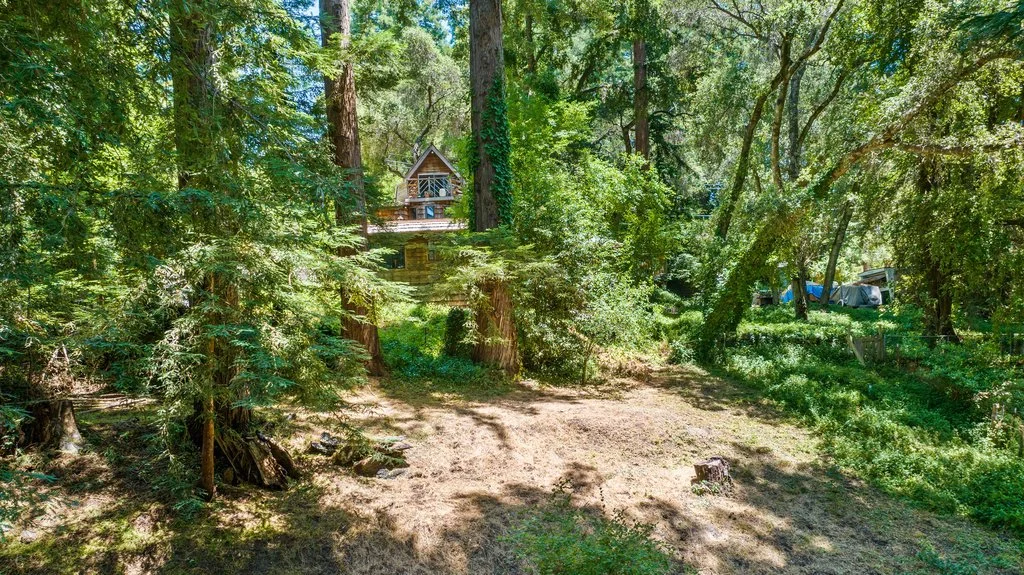
Lompico itself is residential, which is part of its charm. Daily life is a rhythm of home, forest, and quick trips “down the hill.”
Nature and Parks
Some nearby favorites:
Lompico Park & Community Center
A small neighborhood park and gathering spot with deep local roots.Lake Lompico
A quiet neighborhood lake area — peaceful for walks and reset time.Loch Lomond Recreation Area
Just up the road: fishing, boating, trails, and picnic spots.Quail Hollow Ranch County Park
Open meadows, trails, and programs a short drive away.
These are the places I go with my own kids when we need to move our bodies, breathe, and get outside without driving all the way to the coast.
Food, Coffee, and Groceries
For food and coffee, you’ll mainly head into Felton and Scotts Valley.
Some easy go-tos:
White Raven – Classic Felton coffee shop with a mountain vibe
The Grove Cafe & Bakery – Cozy spot with good coffee and fresh food
Cream + Sugar (E. Zayante) – Super convenient stop on the way in or out of Lompico
For groceries and errands:
Wild Roots and Safeway in Felton
Scotts Valley (Nob Hill, Safeway, Target, etc.)
Over time, you’ll naturally figure out:
Which errands to bundle on one trip
Which nights are “stay home in the forest” nights
Your own rhythm between town and trees
Schools and Education
Lompico is in the San Lorenzo Valley Unified School District. Depending on grade level and exact location, kids typically attend:
Elementary
San Lorenzo Valley Elementary (Ben Lomond)
Middle School
San Lorenzo Valley Middle School (Felton)
High School
San Lorenzo Valley High School (Felton)
There are also:
SLV charter and alternative programs
Private and specialty schools in Santa Cruz and Scotts Valley
I’m a homeschooling parent as well, so I think about:
Drive times and drop-off logistics
How school hours line up with mountain driving and weather
What a real weekday feels like when you live in Lompico
If you’re weighing school choices, I can share what I see local families actually doing and how they make it work.
Cost of Living in Lompico
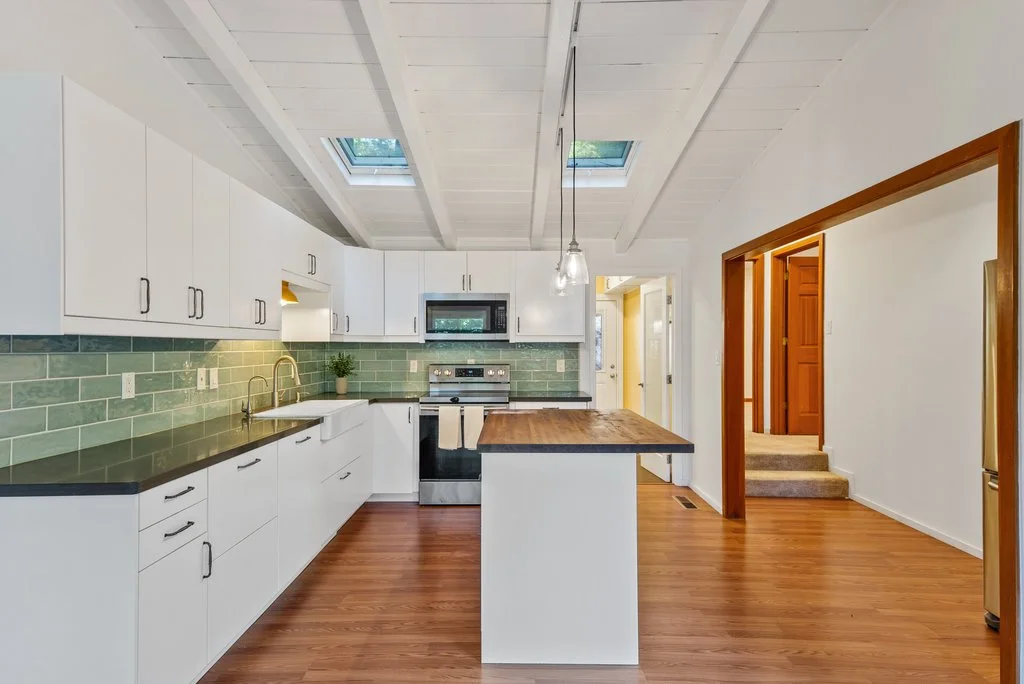
Lompico is often one of the more accessible price points in the Santa Cruz Mountains, but it’s still part of a high-cost region.
Very generally:
Starter cabins / smaller homes
Mid–$400Ks to low–$600KsMid-range mountain homes
Around $600K–$850KLarger / more updated homes or view properties
Roughly $850K+
Beyond your mortgage and property taxes, plan for:
Water and any related fees
Regular septic pumping and long-term planning
Propane
Tree work and storm prep
Insurance that reflects fire risk
As someone who owns here, I’m very direct about these costs.
I want you to go in clear-eyed, not surprised six months after you move in.
Is Lompico a Good Fit for You?
Lompico might be a great fit if you want:
A quiet, woodsy neighborhood with real character
Community and neighbor-to-neighbor support
Easy access to trails, Loch Lomond, and parks
A home that feels like a retreat at the end of the day
It might be tougher if you need:
Very short, very predictable commutes
Sidewalks, streetlights, and wide streets
Big-box shopping five minutes away
Thinking About a Move to Lompico?
If you’re starting to picture your family in Lompico — or you’re just curious about what life really looks like up here — I’d be happy to talk.
I’m Sarah, a Santa Cruz Mountains realtor, mom of two, homeschooler, and real estate investor. I also own a home in Lompico, so when we talk about water, septic, sun, storms, and insurance, it’s from first-hand experience — not just a class or a training.
If you’d like help figuring out whether Lompico (or another Santa Cruz Mountains neighborhood) fits your life, reach out anytime. No pressure, just honest conversation about what it’s like to actually live in the forest.