

It's Fire Season. Here's What Santa Cruz Mountains Homeowners Actually Need to Do Right Now.
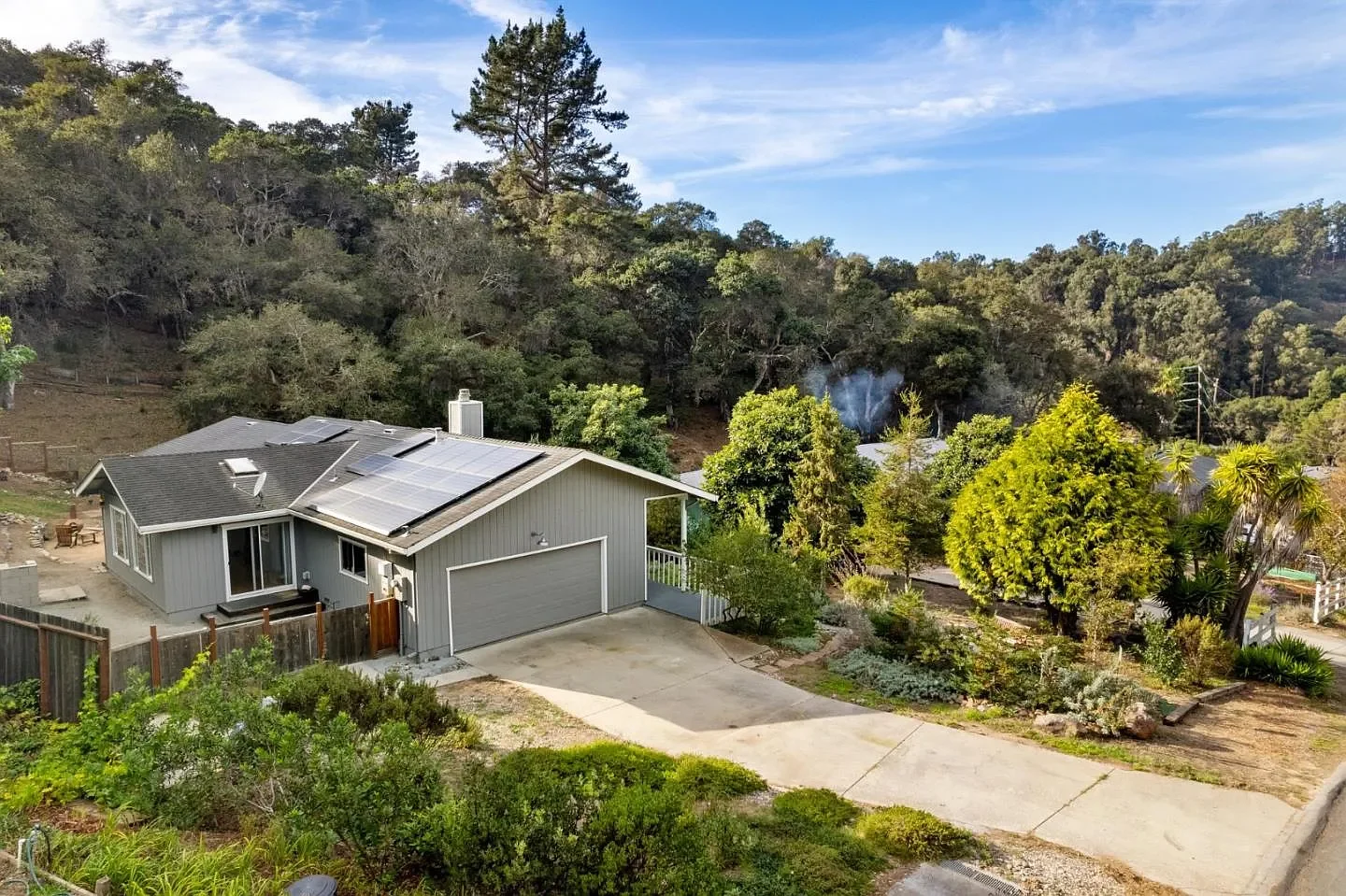
The Calendar Doesn't Lie
June in the Santa Cruz Mountains means the grasses have gone golden, the fog has pulled back for longer stretches, and the moisture that kept things damp through spring is gone. This is fire season. I'm not saying that to be alarmist—I live here, my family lives here, and we go through this every year with clear eyes. But I do think it's worth being direct about what that means for homeowners, because there's a meaningful difference between the people who are prepared and the people who are hoping for the best.
If you bought a mountain home in the last couple of years, or if you've been putting off the annual fire prep because last year went fine, now is the time. Not because anything terrible is imminent, but because the work takes time, and waiting until August to think about it means you're already behind.
Zone 0: The New Rules You Need to Know
California has been working toward new Zone 0 regulations that would require homeowners in high-fire-risk areas—which includes nearly all of unincorporated Santa Cruz County—to maintain a non-combustible zone within five feet of any structure. Santa Cruz Local covered the public comment process in detail. That means no wood mulch, no dead leaves, no wood fencing attached to the house, no lumber stacked against the wall, no welcome mat made of natural fiber sitting at the front door. The state is expected to formally adopt these rules in 2026, with existing properties having a phase-in period for compliance.
Zone 0 sounds severe until you think about how fires actually ignite homes. It's rarely the flames from a tree 50 feet away that gets you—it's the embers. An ember lands on the wooden deck, the dry mulch bed, the gap under the siding. Zone 0 addresses that specific ignition pathway by removing the materials that turn an ember into a flame that reaches your house. Once you understand the mechanism, the five-foot rule makes a lot of sense.
What Defensible Space Actually Means (Zone 1 and Zone 2)
Beyond Zone 0, CAL FIRE's defensible space requirements cover Zone 1 (from 5 to 30 feet of the structure) and Zone 2 (from 30 to 100 feet, or the property line). In Zone 1, the goal is to eliminate ladder fuels—the plants and branches that would allow a ground fire to climb into your trees and then into your house. Prune tree branches up to 10 feet from the ground, remove dead vegetation, and space plants so fire can't travel between them easily. In Zone 2, reduce the density of vegetation and clear dead material that could carry a surface fire.
None of this has to be done all at once. What matters is working systematically and not leaving the obvious stuff undone—the overhanging branches touching the roof, the piles of wood debris against the fence, the dead tree at the edge of the yard that's been on the list for two years.
Practical Things to Do This Month
Clean your gutters and roof of dead leaves and pine needles—that layer of organic debris is fuel that embers can ignite.
Check your vents and eaves for gaps where embers can enter the attic. Ember-resistant vent covers are relatively inexpensive and can be a meaningful upgrade.
Push wood mulch back from the house and replace the nearest five feet with gravel, decomposed granite, or bare soil.
If you have a wooden fence attached to your house, consider adding a non-combustible break (concrete, metal) where it meets the structure.
Check your garden hoses and know where they are. In an emergency, you want to be moving, not searching.
Make sure your address is clearly visible from the road—emergency responders can't help you if they can't find you.
Review your evacuation plan and make sure everyone in the household knows it, including pets.
Insurance and Fire Prep Are Connected
One thing I've seen recently is insurers asking for documentation of fire hardening work when homeowners are trying to get or renew coverage. If you're doing the work anyway—and you should be—documenting it with photos and receipts gives you something to show an underwriter. Some private carriers are starting to re-enter the mountain market for homes that have done meaningful hardening, so your prep work has a direct financial benefit beyond the obvious safety one.
The Fire Safe Council of Santa Cruz County offers free defensible space inspections. They'll walk your property, tell you what needs attention, and give you a written record. That record can be useful for insurance purposes, and the feedback is genuinely helpful if you're not sure what to prioritize. It's worth scheduling before the season gets any further along.
If you have questions about how fire prep affects the marketability or insurability of your home, or if you're thinking about buying and want to understand what a property's defensible space situation actually means for you, I'm happy to talk through it.