

How Mountain Real Estate Pricing Works: Why You Can't Use Flat-Land Comps Up Here
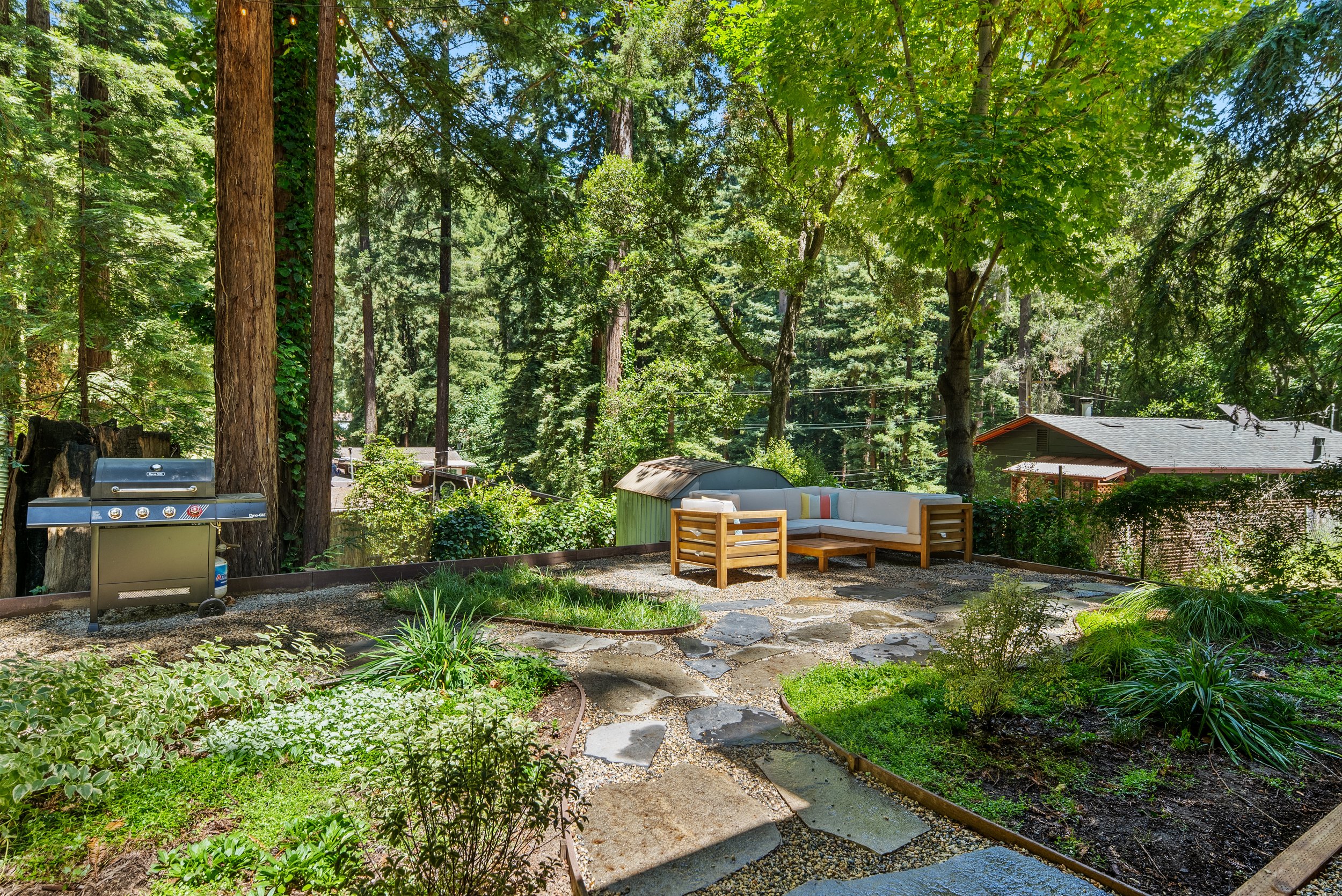
This is one of the things I explain to almost every buyer who is new to the mountains. The tools you use to understand pricing in a suburb, pulling comps by square footage and bedroom count within a certain radius, do not work the same way up here.
That is not an excuse. It is just reality. And understanding it will save you from both overpaying and from walking away from something that is actually priced fairly.
Why Standard Comps Break Down
In a flat-land neighborhood where houses are relatively similar, comparable sales data is a pretty reliable proxy for value. But in the mountains, two houses that are two miles apart and the same size can have wildly different values based on things that do not show up in a spreadsheet.
Water situation. Is it on a reliable mutual water company or on a private well with a history of low yield in dry years? Septic condition. Has the leach field been replaced recently or is it likely approaching end of life? Road access. Is the driveway shared and does it require an easement agreement? Sunlight. Is the property under such a dense canopy that it stays cold and damp year-round? Fire risk zone. What does that mean for insurance costs going forward?
All of these things affect value. None of them show up cleanly in a per-square-foot analysis.
What Good Mountain Pricing Actually Looks At
A thoughtful agent working in the mountains evaluates properties on a much more individual basis. Yes, you look at what similar homes have sold for recently. But you also look at what those homes actually had. What was their water source? What was their road situation? Were they in the sun or the shade? How far were they from the nearest town?
The goal is to understand what you are actually buying, not just what the number of bedrooms says you are buying.
The Sunlight Factor
This one surprises buyers. In the mountains, properties under a heavy redwood canopy can be beautiful and dramatically shaded. Some buyers love that. Others find that after a few winters of living in low light, they wish they had thought about it more carefully.
Homes with more sunlight, south or west-facing slopes, clearings, or ridgeline positions, tend to command a premium. Not always a huge premium, but a real one. And it can be the difference between a home that feels good to live in through a gray February and one that does not.
Access Roads and Easements
Some mountain properties have private or shared driveways that cross other people's land under easement agreements. This is common and not inherently a problem. But it is something to review carefully. Who maintains the road? What happens if there is a dispute? Does the driveway meet the width and slope requirements for your lender or for emergency vehicle access?
These questions have answers. The point is to make sure you are asking them before you close, not after.
Working With Someone Who Knows the Territory
This is exactly why local knowledge matters in mountain real estate in a way that it matters less in a more standardized market. An agent who has been through dozens of transactions in Felton, Ben Lomond, and Boulder Creek knows what to look at and what to ask. They have seen which water companies have had reliability issues and which ones run smoothly. They know which roads are problematic in wet weather.
That kind of knowledge is worth something. It is actually what I am here for.