The FAIR Plan Just Got More Expensive: What Ben Lomond Homeowners Need to Know
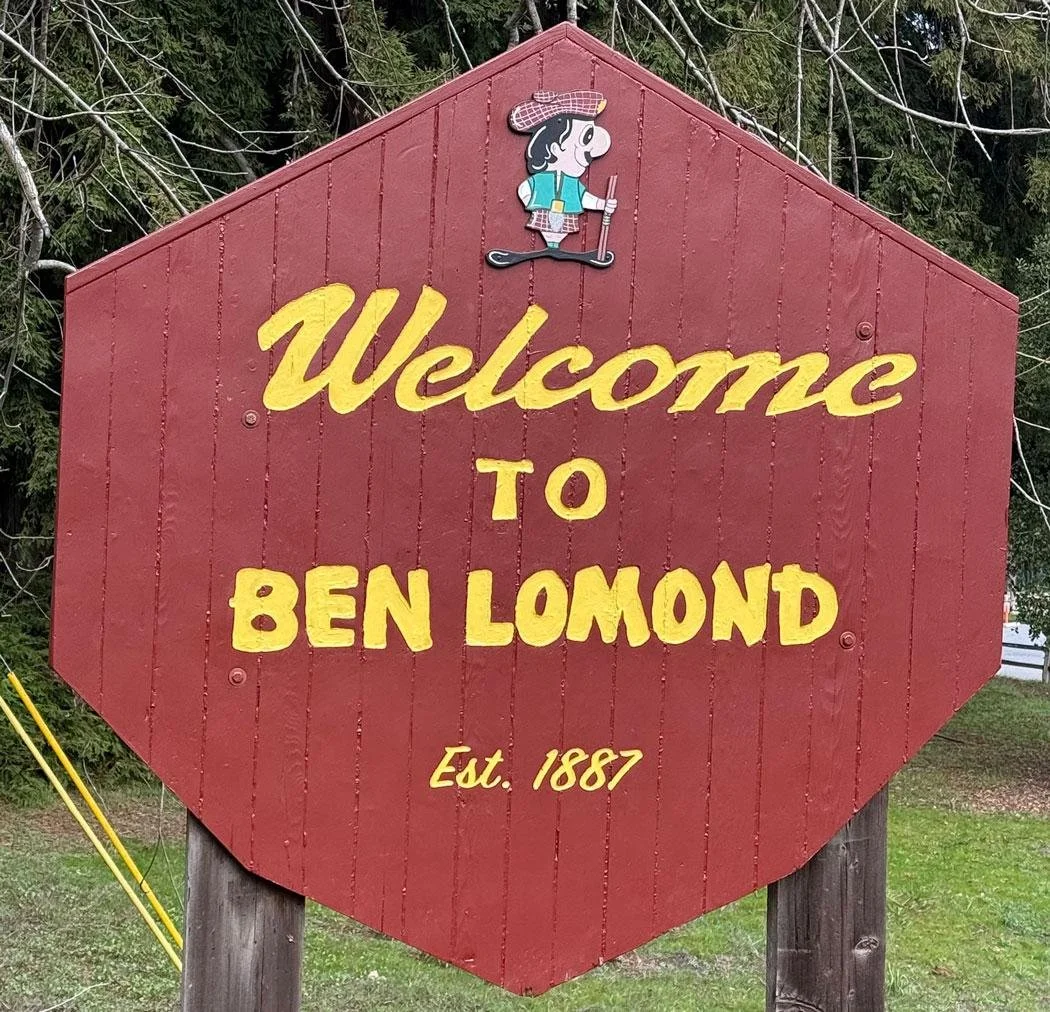
If you own a home in Ben Lomond, you've probably already had the conversation with your insurance agent that starts with an apologetic pause. If you're thinking about buying here, you're going to have that conversation soon, so let's have it now, plainly, before you're standing in someone's kitchen imagining yourself living there.
What Changed
The California Department of Insurance approved an average rate increase of 29.1% for FAIR Plan policies, effective October 15, 2026, according to reporting from KRCR. That's an average — homes in higher wildfire-risk zones, which includes Ben Lomond and the rest of the San Lorenzo Valley, will see increases well above that number, and some premiums could effectively double. A smaller number of lower-risk policyholders may actually see a decrease, but I wouldn't count on that being you if you're within a few miles of the CZU burn scar.
The reason behind it isn't a mystery. The 2025 Los Angeles wildfires generated an estimated $4 billion in FAIR Plan losses, which forced the plan to assess member insurance companies $1 billion just to cover claims, per the Stanford Report. FAIR Plan enrollment statewide grew 44% between fall 2024 and the end of 2025, topping 668,600 policies. When the pool of high-risk policyholders grows that fast, the math changes for everyone in it, Ben Lomond included.
The Part Nobody Loves to Hear
The FAIR Plan was never designed to be a full homeowner's policy. It covers fire, smoke, lightning, and in-home explosions — and that's basically it. Nearly half of FAIR Plan customers end up buying a supplemental policy on top of it just to cover liability, water damage, theft, and everything else a standard policy would have handled in one document. So when you're budgeting for insurance on a Ben Lomond property, budget for two policies, not one, until you've confirmed otherwise.
The Part That Might Actually Help
There's real money on the table if you're willing to do the work. FAIR Plan dwelling-fire policyholders can now earn up to a 13.8% discount on the wildfire portion of their premium for documented mitigation work. And the Safe Homes Grant Program under AB 888 opened applications in spring 2026 to help income-qualified homeowners in high-risk areas pay for fire-resistant roofing and Zone 0 clearance. If you've been putting off the ember-resistant zone around your Ben Lomond house because of cost, this is worth a phone call before you assume it's out of reach.
Some carriers are also starting to write policies again on a house-by-house basis in the mountains, rather than blanket-declining the whole ZIP code. It's not common yet, but it's not nothing either. Ask your agent to check annually — the answer that was "no" last year might not be the answer this year.
What to Actually Do About It
Get a real quote before you write an offer, not after — insurance cost should shape your offer price, not surprise you at closing
Document any defensible space, roofing, or vent work you've already done; it's the fastest path to a discount
Ask about the Safe Homes Grant Program if cost has kept you from doing Zone 0 work
Budget for a supplemental policy on top of FAIR Plan coverage, not instead of one
None of this is meant to scare anyone off Ben Lomond. I live in this valley too. I pay these premiums as well. But I'd rather you know the real number before you fall for a house than find out at underwriting. If you want to talk through what insurance actually looks like on a specific property you're considering, reach out and I'll help you find out before you're emotionally attached to the answer.
This is general information based on current reporting, not insurance advice. Rates, discounts, and eligibility change — verify current details with a licensed insurance agent before making a decision.