

Getting Ready for Fire Season in Ben Lomond: A Realistic Checklist for Families
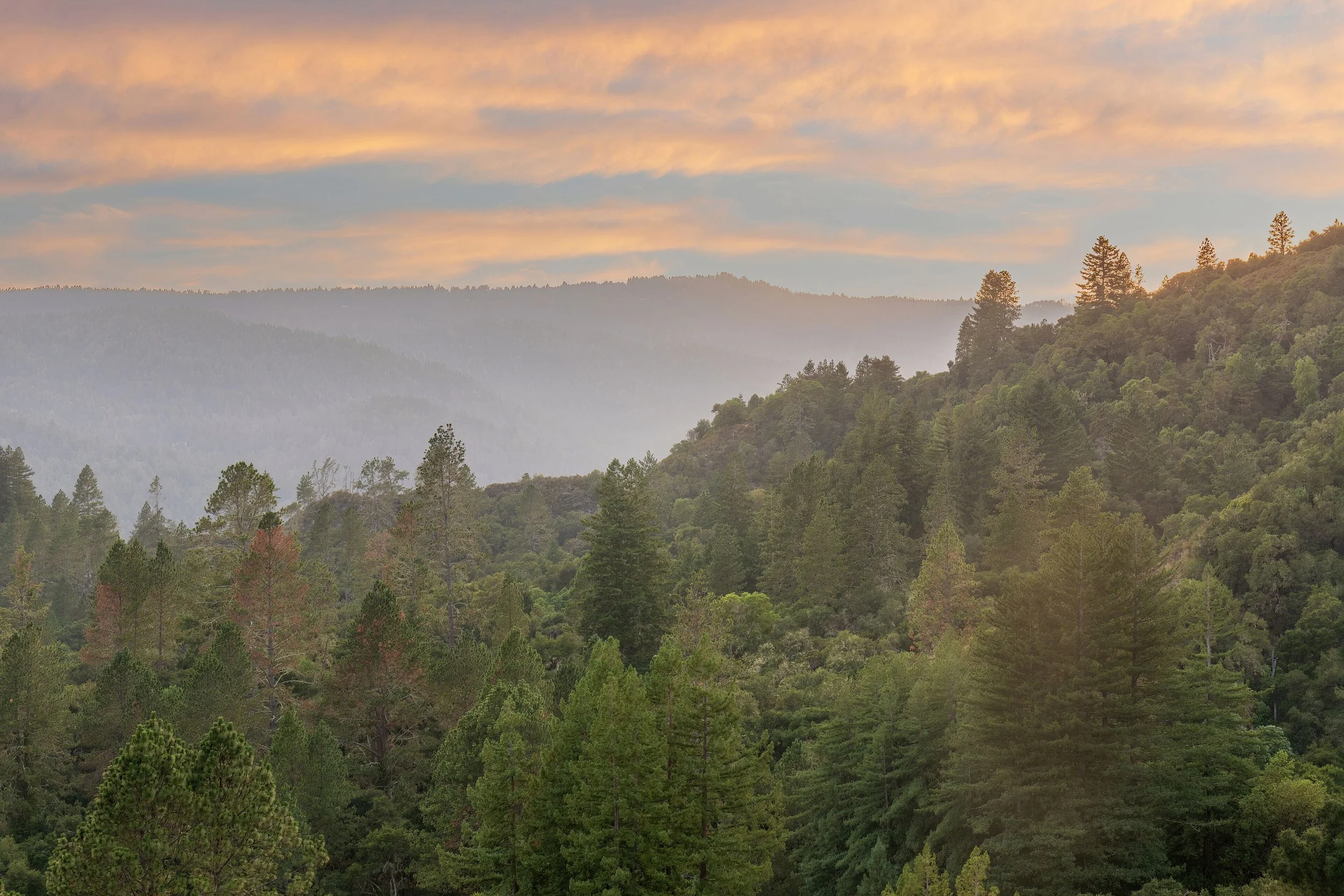
August in Ben Lomond has a particular feel to it — dry grass gone gold along the roadside, the smell of dust in the driveway, and a low hum of awareness that doesn't go away just because you've decided not to think about it. July and August are the highest-risk months for wildfire ignition here, driven by extreme heat and accumulated dry fuel, and living well in this part of the mountains means building fire season into your family's normal rhythm rather than treating it as an emergency you'll deal with if it happens.
The App Worth Having Before You Need It
Nearly every family I know up here checks fire conditions daily through Watch Duty, alongside official updates from CAL FIRE. It's become as normal as checking the weather, and I'd rather my kids grow up with that habit than with a false sense that this is someone else's problem to monitor. A Red Flag Warning — issued by the National Weather Service when low humidity, strong wind, and warm temperatures combine into high fire risk — is worth taking seriously the moment it appears, not the moment you smell smoke.
Building the Go-Bag Habit, Not Just the Go-Bag
Everyone tells you to have a go-bag. Fewer people tell you that the habit matters more than the bag itself — knowing where it is, checking it seasonally, and actually practicing the drive to your evacuation route rather than assuming you'll figure it out under stress. In a family with kids, that practice run matters even more, because a calm evacuation starts with kids who've done this before and know it's not the scary version.
What actually belongs in the bag
Medications and a printed list of prescriptions, not just what's in your phone
Copies of important documents — insurance, ID, deed — in a waterproof folder
Chargers and a portable battery pack for every phone in the house
A few days of food, water, and any specific needs for pets
A change of clothes and sturdy shoes for every family member, sized for the season
Defensible Space as a Summer Chore, Not a One-Time Project
CAL FIRE's core advice is still the most useful framework: defensible space, home hardening, and a family evacuation plan, working together rather than any one of them alone. In practice for us, that means a running list — clearing new dry growth that's crept back since spring, moving anything combustible away from the house, and keeping vehicles fueled during red flag weeks so a full tank isn't one more thing to remember on the way out the door. None of it is dramatic. It's just part of what a summer chore list looks like when you live somewhere this beautiful and this real about what beautiful costs. The Fire Safe Council of Santa Cruz County tracks current fire activity and is worth bookmarking alongside Watch Duty.
This Isn't Meant to Scare Anyone Off
I still think this is one of the best places in the world to raise kids, and I wouldn't trade the redwoods and the quiet for a lower-risk zip code. But I don't think you get to enjoy that trade honestly unless you're also willing to do the unglamorous parts — the go-bag, the app, the cleared gutters. That's not fear. It's just what living somewhere with real tradeoffs actually requires, and it's part of why I lead with the truth about this place instead of the polished version.
If you're weighing a move to Ben Lomond and want an honest conversation about what fire season actually looks like day to day, I'm glad to have it with you.
Note: Fire conditions and official guidance change quickly. Monitor CAL FIRE and Watch Duty directly and consult local fire officials for current evacuation and preparedness guidance.